



English




₹1350
₹1661
18.72% OFF
(All inclusive*)
Paperback
Delivery Options
Please enter pincode to check delivery time.
*COD & Shipping Charges may apply on certain items.
Review final details at checkout.
Looking to place a bulk order? SUBMIT DETAILS
Delivery Options
Please enter pincode to check delivery time.
*COD & Shipping Charges may apply on certain items.
Review final details at checkout.
About The Book
Description
Author
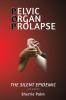
The subliminal message women receive from early childhood on is we should not look at talk about or acknowledge our vagina. Its no wonder we have such a difficult time understanding vaginal health or interpreting symptoms such as incontinence constipation pelvic pain or vaginal tissue bulge. By definition stigma is a mark of disgrace associated with a particular circumstance or quality. Feeling labeled or defined by a health condition can be devastating.Women typically have never heard of pelvic organ prolapse (POP) prior to the fateful examination which indicates they are experiencing the condition. Discovery upon diagnosis is unfortunately the end-result of months sometimes years with no clue what is causing the painful awkward or embarrassing symptoms occurring. Physically incapacitating to varying degrees based on type(s) and grade of severity POP makes a mess out of nearly every aspect of womens lives. Pelvic organ prolapse stigma often generates feelings of shame distress helplessness anxiety blame hopelessness isolation embarrassment and fear. Frequently these stigma symptoms are coupled with shock.In the course of scouting for answers to address my own needs I became determined to find a path to enable women to become informed about pelvic organ prolapse prior to diagnosis-not only women seeking treatment but in essence all women. The conversation should begin during the first pelvic exam a woman experiences. Women need to be informed and educated about the significance of the PC muscle for pelvic floor health childbirth health sexual health and continence health. This would enable young women to recognize commonly occurring female pelvic health concerns such as POP or incontinence.It seems absurd that there is so little conversation about pelvic organ prolapse at this stage of womens health evolution particularly considering POP has been on medical record for nearly 4000 years. My sincere hope is that this book will generate open dialogue to enable women to recognize symptoms indicating POP as well as stimulate conversations in primary care and gynecology currently seldom screening for POP during routine pelvic exams. Knowledge of pelvic organ prolapse is a pivotal piece of womens health awareness and POP awareness will unquestionably generate the next significant shift in womens health.

Piracy-free

Assured Quality

Secure Transactions

Fast Delivery

Sustainably Printed
Details
ISBN 13
9780985535636
Publication Date
-27-05-2017
Pages
-202
Weight
-281 grams
Dimensions
-152x229x10.87 mm
