


English



Paperback
₹1931
₹2502
22.82% OFF
(All inclusive*)
Delivery Options
Please enter pincode to check delivery time.
*COD & Shipping Charges may apply on certain items.
Review final details at checkout.
Looking to place a bulk order? SUBMIT DETAILS
Delivery Options
Please enter pincode to check delivery time.
*COD & Shipping Charges may apply on certain items.
Review final details at checkout.
About The Book
Description
Author
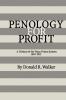
Before the discovery of oil and the advent of Progressivism to Texas the state dealt with prison overcrowding by leasing convicts and their labor to private industry and funneling the profits into the state''s coffers. In this book Donald R. Walker examines economic social and political aspects of late nineteenth- and early twentieth-century Texas that resulted in the leasing system and its eventual demise.Convict leasing resulted in high mortality rates among prisoners and stories of abusive guards and intolerable conditions were common. Blacks who lacked social standing legal counsel and the rights to vote testify and sit on juries made up a disproportionate amount of the prison population and were usually sent to work in the fields. In the twentieth century revenues from the oil industry eased the financial woes of the state and a movement for social reform gained momentum. Investigative journalism revealed to the public the abuses of prisoners and in 1912 the state retook control of the prison system.Relying mainly on primary sources including eyewitness accounts from prisoners prison records private correspondence and newspaper accounts Walker gives details and statistics of prison management in Texas during that era that will interest scholars of corrections management Texas black history and the South.

Piracy-free

Assured Quality

Secure Transactions

Fast Delivery

Sustainably Printed
Details
ISBN 13
9781585440436
Publication Date
-01-12-1988
Pages
-232
Weight
-320 grams
Dimensions
-152x229x13.41 mm
