

English


Hardback
₹13309
₹17147
22.38% OFF
(All inclusive*)
Delivery Options
Please enter pincode to check delivery time.
*COD & Shipping Charges may apply on certain items.
Review final details at checkout.
Looking to place a bulk order? SUBMIT DETAILS
Delivery Options
Please enter pincode to check delivery time.
*COD & Shipping Charges may apply on certain items.
Review final details at checkout.
About The Book
Description
Author(s)
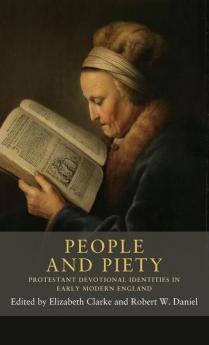
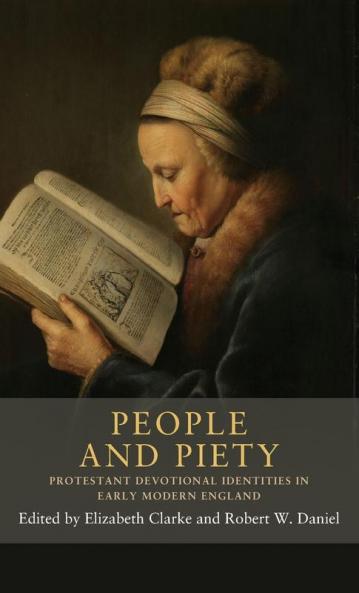
This international and interdisciplinary volume investigates Protestant devotional identities in sixteenth- and seventeenth-century England. Divided into two sections the book examines the 'sites' where these identities were forged - the academy printing house household theatre and prison - and the 'types' of texts that expressed them - spiritual autobiographies religious poetry and writings tied to the <i>ars moriendi</i> - providing a broad analysis of social material and literary forms of devotion during England's Long Reformation. Through archival and cutting-edge research a detailed picture of 'lived religion' emerges which re-evaluates the pietistic acts and attitudes of well-known and recently discovered figures. To those studying and teaching religion and identity in early modern England and anyone interested in the history of religious self-expression these chapters offer a rich and rewarding read.

Piracy-free

Assured Quality

Secure Transactions

Fast Delivery

Sustainably Printed
Details
ISBN 13
9781526150127
Publication Date
-18-09-2020
Pages
-320
Weight
-454 grams
Dimensions
-140x216x22.23 mm
