

English


Paperback
₹2105
₹2400
12.29% OFF
(All inclusive*)
Delivery Options
Please enter pincode to check delivery time.
*COD & Shipping Charges may apply on certain items.
Review final details at checkout.
Looking to place a bulk order? SUBMIT DETAILS
Delivery Options
Please enter pincode to check delivery time.
*COD & Shipping Charges may apply on certain items.
Review final details at checkout.
About The Book
Description
Author
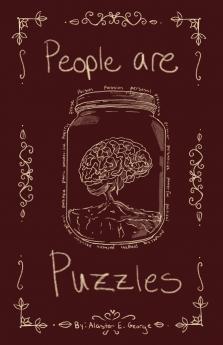
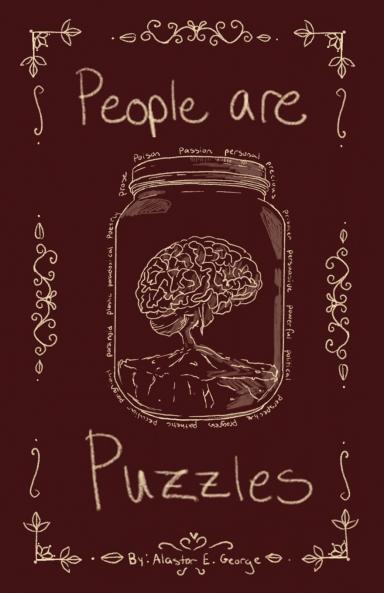
<p>At seventeen Alastor George was the youngest author Golden Antelope had ever published. Yet his subtlety and depth of experience were impressive even then. The <em>People Are Puzzles</em> front cover which George designed illustrates this fondness for complexity: a bonsai brain planted in a old fashioned glass jar surrounded by 18 small hand-written alliterative p words. Each bit of this design is a clue about why or how people are puzzles. How is a human brain like or unlike bonsai? Why is it in a mason jar? Is cursive writing a tribute to past writers an annoyance to present readers or both? What's most puzzling for people who are surrounded by passion politics poison progress paradox plastic pathos...? What's alliteration <em>for</em>? These are questions suitable for a young person like Al planning a career in medicine but tied to a full range of human experiences.</p><p></p><p>For Golden Antelope a press which does a disproportionate number of books by retired folks George's 44 poems 3 essays and 14 art works presented--and still presents--both challenges and delights. Some of the challenges involve technologies which we seasoned seniors react to the way George's peers born in the aughts (oughts?) might be expected to react to ... cursive writing or wooden butter churns. Other generational challenges involve assumptions. We grandparental sorts aren't accustomed to specifying our pronouns; George's agemates joke half in earnest about our misgenderings. We remember airports without TSA screenings; today's teens accept metal detectors in schools as normal.</p><p></p><p>Even if you are a mere quinquagenarian--in your fifties--you may feel vaguely disoriented at times; our author mixed symbols from across centuries and cultures assumed shared assumptions or experimented with unusual poetic forms. (If you're a poet you may occasionally say This line<em> clunks.</em> But you'll recognize that most lines <em>soar.) </em>The challenges Al George's youthful work presents to readers are real but meeting them considering them is one of the core delights this book offers. People <em>are </em>puzzles after all.</p><p></p><p>And Alastor George's life so far has given him unusually varied experiences to process. Though now in college and headed toward a career in medicine he'd lived in Colorado Hiawaii Pennsylvania Missouri and North Carolina by the time he was eight. His family background was eclectic. His father who had lived as a missionary's child on a Navajo reservation later worked as a musician and on pipelines; his mother studied<em> </em>in India worked her way up a corporate ladder but eventually left that world to help run a used bookstore. Alastor George grew up adjusting to new accents assumptions and teaching methods finding symbols in new landscapes losing and gaining rich friendships meeting bullies befriending puppies planning a career in medicine. In his teens he came out as gay and as an advocate for misfits like himself.</p><p></p><p>Digging in discovering connections<em> feeling </em>what others feel<em></em> these are timeless ageless traits of poets--and of healers. Alastor George had been carefully watching the world studying its codes symbols and people (himself included) for seventeen rich years when he put this collection together. In <em>People Are Puzzles </em>he shaped symbols and questioned codes as he shared human stories especially his own. Now as he leaves his teens and plans his future as a doctor he continues to write and sing and to do what he can to heal this fractured world.</p>

Piracy-free

Assured Quality

Secure Transactions

Fast Delivery

Sustainably Printed
Details
ISBN 13
9781952232961
Publication Date
-26-03-2025
Pages
-96
Weight
-124 grams
Dimensions
-140x216x6.33 mm
