


This Book is Out of Stock!
English





₹4095
(All inclusive*)
Paperback
Delivery Options
*COD & Shipping Charges may apply on certain items.
Review final details at checkout.
Looking to place a bulk order? SUBMIT DETAILS
*COD & Shipping Charges may apply on certain items.
Review final details at checkout.
₹4095
Out Of Stock
All inclusive*
About The Book
Description
Author
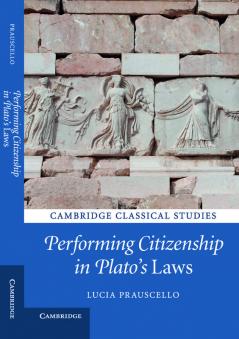
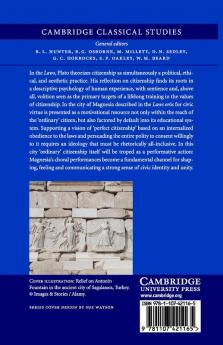
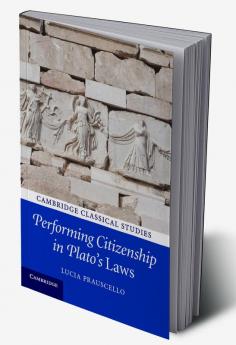
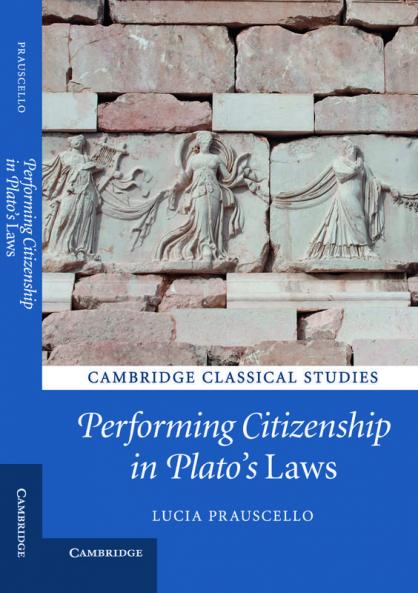
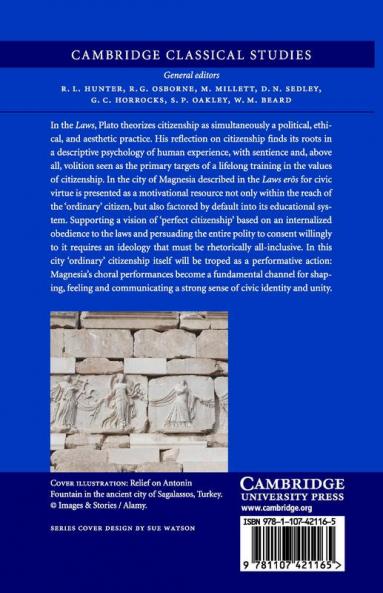
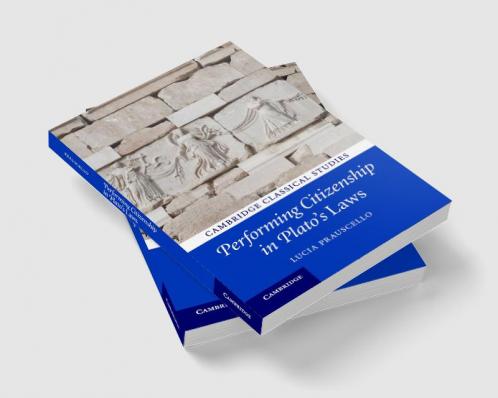
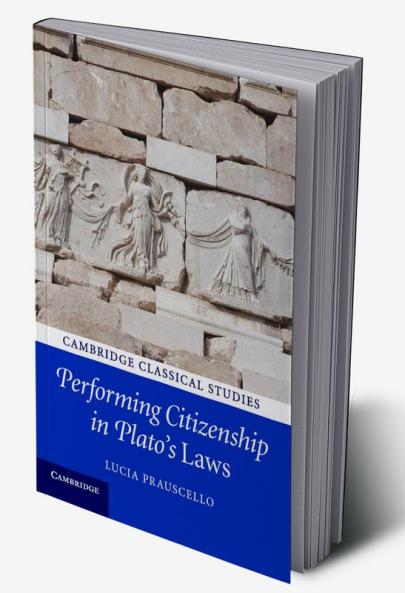
In the Laws Plato theorizes citizenship as simultaneously a political ethical and aesthetic practice. His reflection on citizenship finds its roots in a descriptive psychology of human experience with sentience and above all volition seen as the primary targets of a lifelong training in the values of citizenship. In the city of Magnesia described in the Laws ers for civic virtue is presented as a motivational resource not only within the reach of the ''ordinary'' citizen but also factored by default into its educational system. Supporting a vision of ''perfect citizenship'' based on an internalized obedience to the laws and persuading the entire polity to consent willingly to it requires an ideology that must be rhetorically all-inclusive. In this city ''ordinary'' citizenship itself will be troped as a performative action: Magnesia''s choral performances become a fundamental channel for shaping feeling and communicating a strong sense of civic identity and unity.

Piracy-free

Assured Quality

Secure Transactions

Fast Delivery

Sustainably Printed
Details
ISBN 13
9781107421165
Publication Date
-19-10-2017
Pages
-284
Weight
-337 grams
Dimensions
-139.95x215.9x15.19 mm
