

English


₹3880
₹5000
22.4% OFF
(All inclusive*)
Paperback
Delivery Options
Please enter pincode to check delivery time.
*COD & Shipping Charges may apply on certain items.
Review final details at checkout.
Looking to place a bulk order? SUBMIT DETAILS
Delivery Options
Please enter pincode to check delivery time.
*COD & Shipping Charges may apply on certain items.
Review final details at checkout.
About The Book
Description
Author
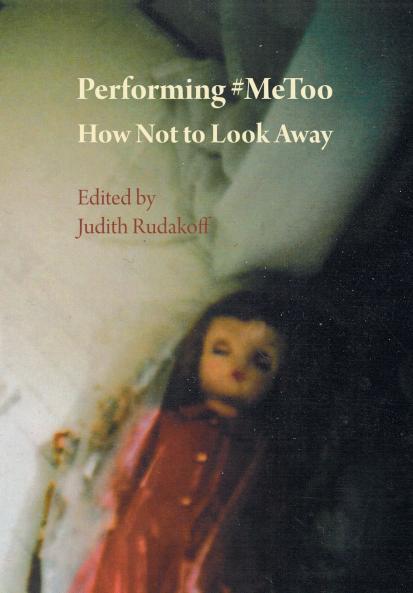
<p>A tweet by American actor and activist Alyssa Milano sent on October 15 2017 opened the floodgates to an outpouring of testimony and witnessing across the Twitterverse that reverberated throughout social media. Facebook status lines quickly began to read Me too and #MeToo was trending. That tweet re-launched the 'me too' movement which was started in 2006 by Tarana Burke.</p><p><em>Performing #MeToo: How Not to Look Away</em> does not attempt to deliver a comprehensive examination of how #MeToo is performed. What it does aim at presenting is a set of perspectives on the events identified as representative of the movement through a lens or lenses that are multinational as well as work and analysis from a variety of time periods written in a diversity of styles. By providing this means of engaging with examples of the many interpretations of and responses to the #MeToo movement and by identifying these responses (and those of audiences) as provocations of examples of how not to look away the collected chapters are intended to invite reflection discussion and hopefully incite action.</p><p>It gives writers from diverse cultural and environmental contexts an opportunity to speak about this cultural moment in their own voices. There is a wide geographical range and variety of forms of performance addressed in this timely new book. The international group of contributors are based in the UK USA Australia South Africa Scotland Canada India Italy and South Korea.</p><p>The topics addressed by writers include socially engaged practice; celebrity feminism archive and repertoire; rape/war; misogynistic speech; stage management and intimacy facilitation; key institutions' responses; spatial practices as well as temporal ones; academic call-outs; caste/class; political contexts; adaptation of classic texts; activist events; bouffon (a clown technique) and audience response</p><p>Forms of performance practice include applied theatre performance protest verbatim solo performance institutional practice staging of plays street responses academic adaptation of classic text play reading events and the musical.</p><p>Although there is much to read in the media and alternative media on the #MeToo movement this is the first attempt to analyse the movement from and in such diverse contexts.</p><p>Bringing together twelve writers to speak about works they have either performed witnessed or studied gives the reader a nuanced way of looking at the movement and its impact. It is also an incredible archive of this moment in time that points to its importance. </p><p>Suitable for use in several graduate and undergraduate courses including performance studies feminist studies sociology psychology anthropology environmental or liberal studies and social history.</p><p>Essential reading for theatre workers academics students and anyone with an interest in feminism contemporary theatre or human rights. For artists considering projects that include the themes of #MeToo and for producers and directors of such projects looking for good practices around how to create environments of safety in their organizations as well as those who wish to organize communities of artists.</p><p>For anyone interested in learning more about how to support the movement or an interest in the specific social narratives told in each individual chapter. For women feminists and anyone with an interest in the issues.</p>

Piracy-free

Assured Quality

Secure Transactions

Fast Delivery

Sustainably Printed
Details
ISBN 13
9781789387551
Publication Date
-28-04-2023
Pages
-262
Weight
-429 grams
Dimensions
-170x244x13.99 mm
