


This Book is Out of Stock!
English


Hardback
₹2243
₹2850
21.3% OFF
(All inclusive*)
Delivery Options
*COD & Shipping Charges may apply on certain items.
Review final details at checkout.
Looking to place a bulk order? SUBMIT DETAILS

Piracy-free

Assured Quality

Secure Transactions
About The Book
Description
Author
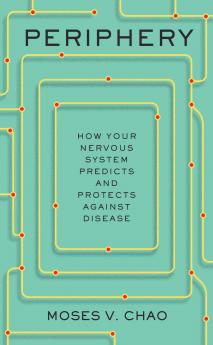
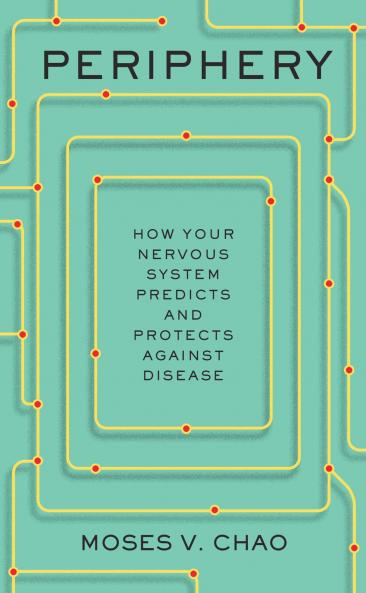
<p><b>A leading neuroscientist argues that the peripheral nervous system long understood to play a key role in regulating basic bodily functions also signals the onset of illness.</b> <p/>The central nervous system consisting of the brain and the spinal cord has long been considered the command center of the body. Yet outside the central nervous system an elaborate network of nerve cells and fibers extends throughout our bodies transmitting messages between the brain and other organs. The peripheral nervous system as it's known regulates such vital functions as heart rate digestion and perspiration and enables us to experience the barrage of sounds tastes smells and other sensory information that surrounds us. But beyond these crucial roles the peripheral nervous system might do even more: it might warn us of diseases in our future. <p/>As Moses Chao argues in <i>Periphery </i> from Parkinson's disease to autism to dementia many neurological conditions emerge not in the brain but rather within the peripheral nervous system in the dense network of nerves that wrap around the gastrointestinal tract. What's more dysfunctions of the peripheral nervous system can signal the onset of disease decades before symptoms like tremor or memory loss occur. Fortunately unlike nerves in the brain and spinal cord peripheral nerves can heal and regenerate in response to injury and aging. The therapeutic implications are remarkable. Chao shows how with a better understanding of the peripheral nervous system we could not only predict and treat neurological diseases long before their onset but possibly prevent them altogether. <p/>Full of new ideas and bold interpretations of the latest data <i>Periphery</i> opens exciting avenues for medical research while deepening our understanding of a crucial yet underappreciated biological system.</p>
Piracy-free
Assured Quality
Secure Transactions
*COD & Shipping Charges may apply on certain items.
Review final details at checkout.
₹2243
₹2850
21% OFF
Hardback
Out Of Stock
All inclusive*
Details
ISBN 13
9780674972308
Publication Date
-24-10-2023
Pages
-192
Weight
-234 grams
Dimensions
-139.7x209.6x13.23 mm
