





This Book is Out of Stock!
English




Hardback
₹5575
₹6375
12.55% OFF
(All inclusive*)
Delivery Options
*COD & Shipping Charges may apply on certain items.
Review final details at checkout.
Looking to place a bulk order? SUBMIT DETAILS

Piracy-free

Assured Quality

Secure Transactions
About The Book
Description
Author
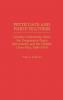
Kuhlman explores the reasons so many antiwar progressive reformers ended up forming the most vocal faction favoring U.S. intervention in World War I. She argues that conceptualizations of gender and their relations to militarism democracy and citizenship were central to creating support for war.U.S. intervention in World War I occurred in an historical context of widespread anxiety about masculine identity produced by the suffrage movement and highlighted by the election of suffragist Jeannette Rankin the only woman present in Congress during the debate over President Wilson''s War Message. The progressive peace movementwhich had reached its zenith of popularity in the U.S. on the eve of interventionexperienced similar disruption as women formed their own pacifist organization. Kuhlman explores the reasons so many progressive lawmakers and pacifists ended up forming the most vocal faction in favor of war.Concepts of femininity and masculinity and their relations to militarism democracy and citizenship were central to creating support for war. Initially opposed to military intervention most male progressive pacifists came to view war as an opportunity to reinvigorate the nation''s sagging manhood and nationhood. Some suffragists supported war because they saw war relief work as a way to prove themselves manly enough to withstand the rigors of citizenship during war and therefore worthy of the vote. After the U.S. declared war however New York City feminists'' critique of militarism undermined the unity of the progressives'' support for war. The New Yorkers'' type of feminism which was based on the linked oppressions of racism class bias and sexism differed from other feminist arguments based on women''s moral difference from men. An important study to scholars and researchers of American progressivism pacifism and feminism.
Piracy-free
Assured Quality
Secure Transactions
*COD & Shipping Charges may apply on certain items.
Review final details at checkout.
₹5575
₹6375
12% OFF
Hardback
Out Of Stock
All inclusive*
Details
ISBN 13
9780313303418
Publication Date
-30-09-1997
Pages
-162
Weight
-332 grams
Dimensions
-156x234x11.11 mm
