


English


Hardback
₹4469
₹5692
21.49% OFF
(All inclusive*)
Delivery Options
Please enter pincode to check delivery time.
*COD & Shipping Charges may apply on certain items.
Review final details at checkout.
Looking to place a bulk order? SUBMIT DETAILS
Delivery Options
Please enter pincode to check delivery time.
*COD & Shipping Charges may apply on certain items.
Review final details at checkout.
About The Book
Description
Author
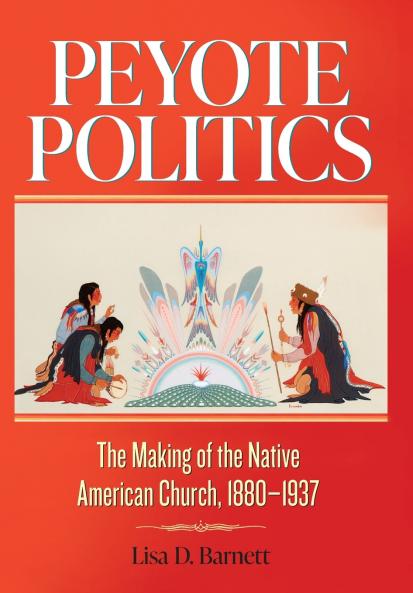
<p>Regarding peyote use among Native Americans an ethnologist noted in 1891: The ceremonial eating of the plant has become the great religious rite of all tribes of the southern plains. But as Lisa D. Barnett observes in <em>Peyote Politics: The Making of the Native American Church 1880-1937</em> Peyotism quickly came under scrutiny with opponents both non-Native and Native seeking to prohibit the religious practice by transforming peyote into a narcotic thereby drawing Indigenous people into the emerging racialized campaign against drugs. A history of the rise of Peyotism and the Native American Church from the 1880s to the 1930s Barnett's work details the ensuing struggle and its significance in reshaping Peyotists' identity as Native and American and establishing their place in the American political and legal systems.</p><p></p><p>Barnett describes the strategies of resistance that Peyotists employed against opponents of their religious practice including incorporating in 1918 as the Native American Church. In doing so they secured their religious freedom but also formed a new hybrid cultural sense of Native American that emphasized the reality of honoring both Native identity and American identity on the path to citizenship status.</p><p></p><p>Placing the story of Peyotism within the broader historical context of federal Indian policy and Progressive Era politics <em>Peyote Politics</em> shows how despite their minority status in the American religious landscape Peyotists were determined to secure constitutional protections for their religion and its rituals. Through their tireless efforts to protect their religion within the legal and political system these Native Americans many of whom were not yet American citizens proved to be the true proponents of the constitutional idea of religious freedom.</p><p></p>

Piracy-free

Assured Quality

Secure Transactions

Fast Delivery

Sustainably Printed
Details
ISBN 13
9780806195384
Publication Date
-08-04-2025
Pages
-262
Weight
-448 grams
Dimensions
-152x229x19.05 mm
