

English


Paperback
₹943
₹1473
35.98% OFF
(All inclusive*)
Delivery Options
Please enter pincode to check delivery time.
*COD & Shipping Charges may apply on certain items.
Review final details at checkout.
Looking to place a bulk order? SUBMIT DETAILS

Piracy-free

Assured Quality

Secure Transactions
About The Book
Description
Author
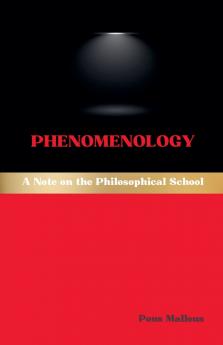
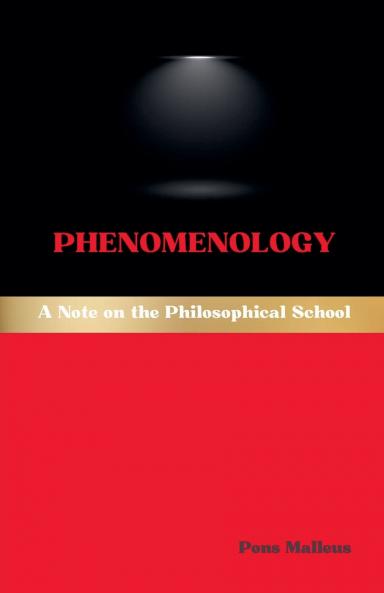
<p>The history of philosophy is marked by repeated attempts to return to what is most fundamental-what is given before all interpretation theory or abstraction. Phenomenology is one of the most ambitious and enduring of these attempts. Born in the early 20th century out of a dissatisfaction with both the dogmatism of traditional metaphysics and the abstraction of scientific positivism phenomenology proposed a radical new beginning: to return to the things themselves. This phrase made famous by Edmund Husserl captures the spirit of a movement that sought to suspend presuppositions and examine conscious experience in its purest form.</p><p>This book is an invitation to explore the philosophical school of thought known as phenomenology-not merely as a historical curiosity but as a living and evolving tradition. From Husserl's rigorous investigations into intentionality and the structures of consciousness to Heidegger's existential interpretation of Being to the embodied turn found in Merleau-Ponty and the ethical dimension in Levinas phenomenology has expanded the scope of philosophy. It has touched disciplines as diverse as psychology literature cognitive science architecture and theology.</p><p>Phenomenology is often misunderstood. To some it appears obscure overly technical or too abstract to bear relevance to ordinary life. Yet at its heart lies a simple yet profound intuition: that our conscious engagement with the world is not incidental to knowledge but foundational to it. Phenomenology does not aim to describe the world from an external vantage point but rather seeks to understand how the world is revealed through lived experience. In doing so it offers a method for investigating meaning as it arises in the first-person perspective-an approach that has proven to be both fertile and transformative.</p><p>This book does not assume prior familiarity with phenomenology. It is written for students thinkers and seekers who are drawn to fundamental questions: What is consciousness? How does the world appear to us? What does it mean to experience time space the body or the other? Each chapter offers a careful and accessible treatment of key thinkers concepts and debates while remaining sensitive to the historical and philosophical context in which they emerged.</p><p>Of course no single volume can capture the full richness and complexity of phenomenology. Rather than offering a definitive account this book seeks to serve as a guide-a map to orient the reader through a challenging but rewarding terrain. While phenomenology begins in the rigor of descriptive analysis it does not remain there. It continually opens outward: to questions of existence ethics intersubjectivity language and ultimately to the question of Being itself.</p><p>As you turn the pages ahead I encourage you to read not only with analytical curiosity but with a willingness to be affected-to let your assumptions be questioned and your familiar ways of seeing the world be brought into new relief. Phenomenology is not merely a school of thought; it is a way of attending to life. If this book succeeds in conveying even a measure of that transformative attention then it will have served its purpose.</p><p>Let us begin.</p>
Piracy-free
Assured Quality
Secure Transactions
Delivery Options
Please enter pincode to check delivery time.
*COD & Shipping Charges may apply on certain items.
Review final details at checkout.
Details
ISBN 13
9798232433765
Publication Date
-13-12-2025
Pages
-92
Weight
-119 grams
Dimensions
-140x216x4.84 mm
