

English


Paperback
₹4222
(All inclusive*)
Delivery Options
Please enter pincode to check delivery time.
*COD & Shipping Charges may apply on certain items.
Review final details at checkout.
Looking to place a bulk order? SUBMIT DETAILS
Delivery Options
Please enter pincode to check delivery time.
*COD & Shipping Charges may apply on certain items.
Review final details at checkout.
About The Book
Description
Author(s)
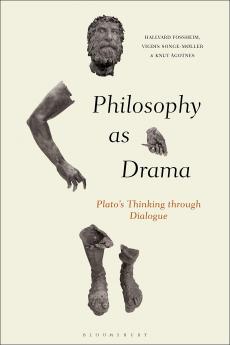
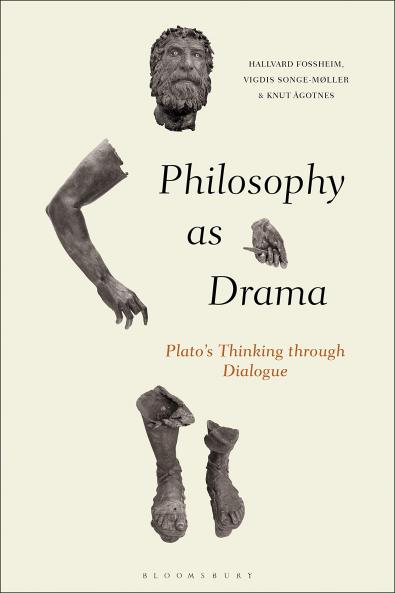
Plato’s philosophical dialogues can be seen as his creation of a new genre. Plato borrows from as well as rejects earlier and contemporary authors and he is constantly in conversation with established genres such as tragedy comedy lyric poetry and rhetoric in a variety of ways. This intertextuality reinforces the relevance of material from other types of literary works as well as a general knowledge of classical culture in Plato’s time and the political and moral environment that Plato addressed when reading his dramatic dialogues. The authors of Philosophy as Drama show that any interpretation of these works must include the literary and narrative dimensions of each text as much as serious the attention given to the progression of the argument in each piece. Each dialogue is read on its own merit and critical comparisons of several dialogues explore the differences and likenesses between them on a dramatic as well as on a logical level. This collection of essays moves debates in Plato scholarship forward when it comes to understanding both particular aspects of Plato’s dialogues and the approach itself. Containing 11 chapters of close readings of individual dialogues with 2 chapters discussing specific themes running through them such as music and sensuousness pleasure perception and images this book displays the range and diversity within Plato''s corpus.

Piracy-free

Assured Quality

Secure Transactions

Fast Delivery

Sustainably Printed
Details
ISBN 13
9781350243675
Publication Date
-25-02-2021
Pages
-262
Weight
-377 grams
Dimensions
-155.96x233.93x14.06 mm
