

English


Paperback
₹5216
₹5491
5.01% OFF
(All inclusive*)
Delivery Options
Please enter pincode to check delivery time.
*COD & Shipping Charges may apply on certain items.
Review final details at checkout.
Looking to place a bulk order? SUBMIT DETAILS
Delivery Options
Please enter pincode to check delivery time.
*COD & Shipping Charges may apply on certain items.
Review final details at checkout.
About The Book
Description
Author
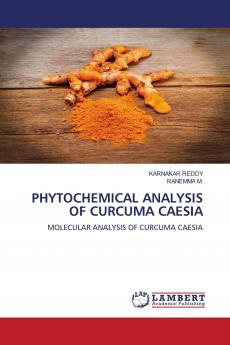
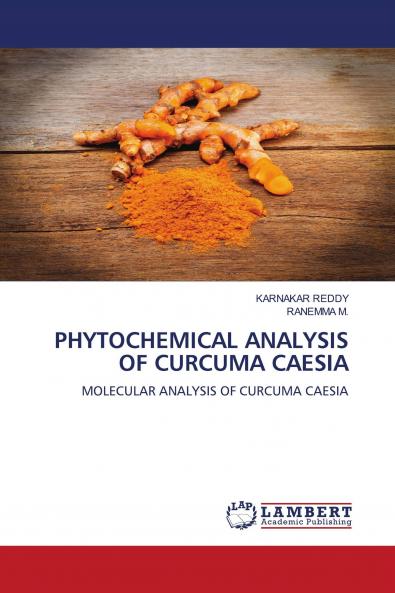
Curcuma caesia is well known as Black turmeric is a perennial herb consist of bluish black rhizome and it belongs to the family zingiberaceae. The herb occurs entire north east central India Papi Hills of East Godavari West Godavari and Andhra Pradesh. In the traditional system of medicine fresh and dried rhizomes of C. caesia is used for treatment of diseases. The genus Curcuma belongs to the family zingiberaceae consisting rhizomatous herbs and falls under monocots. The chromosome of Curcuma caesia 2n=22.In this text book discussed about micropropagation methods of Curcuma caesia. In phytochemical analysis screened carbohydrates proteins steriods glycosides flavonoids alkaloids tannins saponins phenols terpenoides and resins. HPLC analysis of Curcuma caesia samples extracts performed to determine the camphor content found in the rhizome. Methanolic extract of Curcuma caesia analyzed by GC- MS identified 16 compounds out of this 13 are new compounds. Anticancer activity phytochemicals analyzed for Brest cancer by using Hela cells. Determined RAPD analysis of six accessions collected from different regions of India.

Piracy-free

Assured Quality

Secure Transactions

Fast Delivery

Sustainably Printed
Details
ISBN 13
9786203025156
Publication Date
-29-10-2020
Pages
-152
Weight
-205 grams
Dimensions
-150x220x8.41 mm
