


English



Paperback
₹3167
(All inclusive*)
Delivery Options
Please enter pincode to check delivery time.
*COD & Shipping Charges may apply on certain items.
Review final details at checkout.
Looking to place a bulk order? SUBMIT DETAILS
Delivery Options
Please enter pincode to check delivery time.
*COD & Shipping Charges may apply on certain items.
Review final details at checkout.
About The Book
Description
Author
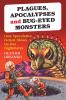
<p> Speculative fiction--both science fiction and fantasy--reflects among other things the fears of the culture that created it contributing (perhaps unconsciously) to our efforts to prevent our fears from coming true. While the names and media change over time the themes of speculative fiction have a long history. Nineteenth century works such as <I>Frankenstein</I> and <I>The Invisible Man</I> contain many of the same messages as the more modern tales of <I>Terminator Jurassic Park</I> and even <I>Buffy the Vampire Slayer</I> although almost a century separates their creation.</p><p> This critical study discusses the ways in which speculative fiction reflects societal fears and analyzes how such cautionary tales contribute to society's efforts to avoid the realization of these fears. Beginning with a discussion of the nature of speculative fiction it takes a look at the characteristics of the cautionary tale. The core of the book however is the concept of the Nightmares Model which examines and categorizes the repetition of specific themes within the genre. The dangers of science and technology the perils of power and the threat of the unknown are discussed as recurrent themes within a variety of works in prose film and television. Works analyzed range from <I>Twenty-Thousand Leagues Under the Sea</I> to <I>2001: A Space Odyssey</I> to <I>The Blair Witch Project.</I> Sources include the author's own observations as a member of the genre's fandom a variety of published commentaries and the perspectives of contemporary professionals gained through personal interviews and panel discussions.</p>

Piracy-free

Assured Quality

Secure Transactions

Fast Delivery

Sustainably Printed
Details
ISBN 13
9780786429165
Publication Date
-23-01-2007
Pages
-264
Weight
-362 grams
Dimensions
-152x229x15.16 mm
