

English


Hardback
₹6530
(All inclusive*)
Delivery Options
Please enter pincode to check delivery time.
*COD & Shipping Charges may apply on certain items.
Review final details at checkout.
Looking to place a bulk order? SUBMIT DETAILS
Delivery Options
Please enter pincode to check delivery time.
*COD & Shipping Charges may apply on certain items.
Review final details at checkout.
About The Book
Description
Author(s)
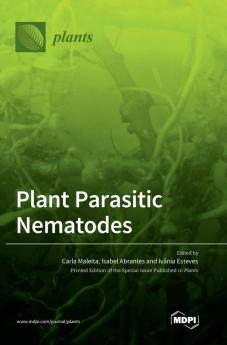
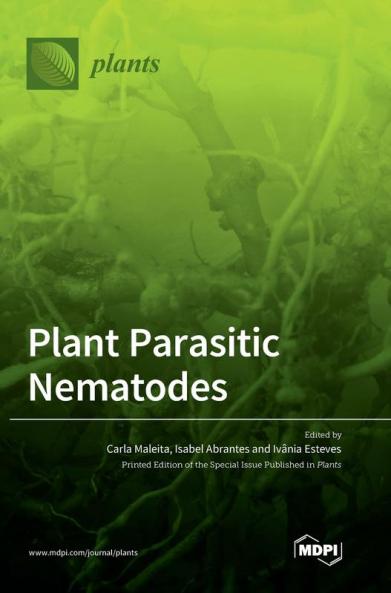
<p>Plant-parasitic nematodes (PPNs) are economically important pests for numerous agriculture and forestry crops representing a significant constraint on global food security and forestry health. Root knot nematodes (<em>Meloidogyne</em> spp.) potato cyst nematodes (<em>Globodera</em> spp.) and root lesion nematodes (<em>Pratylenchus</em> spp.) are some examples of PPNs that are ranked at the top in the list of the most economically and scientifically important species. Current approaches to controlling these PPNs include the use of nematicides but many pose serious concerns for human health and the environment. To cope with such threats accurate diagnostic methods for nematode detection and a deep understanding of nematode infection processes as well as of their intricate relationships with the host plants are crucial for the development of effective integrated nematode management programs. This Special Issue entitled Pant Parasitic Nematodes is a collection of 11 original papers that cover a wide range of topics including the state of the art of important PPN and the detection and management of PPNs through sustainable and eco-friendly strategies.</p>

Piracy-free

Assured Quality

Secure Transactions

Fast Delivery

Sustainably Printed
Details
ISBN 13
9783036554631
Publication Date
-21-10-2022
Pages
-212
Weight
-455 grams
Dimensions
-170x244x17.46 mm
