



English





₹5526
₹6141
10.01% OFF
(All inclusive*)
Paperback
Delivery Options
Please enter pincode to check delivery time.
*COD & Shipping Charges may apply on certain items.
Review final details at checkout.
Looking to place a bulk order? SUBMIT DETAILS
Delivery Options
Please enter pincode to check delivery time.
*COD & Shipping Charges may apply on certain items.
Review final details at checkout.
About The Book
Description
Author
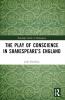
<p>Having a conscience distinguishes humans from the most advanced AI systems. Acting in good conscience consulting one’s conscience and being conscience-wracked are all aspects of human intelligence that involve reckoning (deriving general laws from particular inputs and vice versa) and judgement (contemplating the relationship of the reckoning system to the world). While AI developers have mastered reckoning they are still working towards the creation of judgement. This book sheds light on the reckoning and judgement of conscience by demonstrating how these concepts are explored in<i> Everyman</i> <i>Doctor Faustus</i> <i>The Merchant of Venice</i> and <i>Hamlet</i>. Academic student or general-interest readers discover the complexity and multiplicity of the early modern concept of conscience which is informed by the scholastic intellectual tradition juridical procedures of the court of Chancery the practical advice of Protestant casuistry and Reformation theology. The aims are to examine the rubrics for thinking through regulating and judging actions that define the various consciences of Shakespeare’s day to use these rubrics to interpret questions of truth and action in early modern plays and to offer insights into what it is about conscience that developers want to grasp to eliminate the difference between human and non-human intelligences and achieve true AI.</p>

Piracy-free

Assured Quality

Secure Transactions

Fast Delivery

Sustainably Printed
Details
ISBN 13
9781032398167
Publication Date
-05-05-2025
Pages
-176
Weight
-247 grams
Dimensions
-151.89x229.11x9.64 mm
