

English


Paperback
₹4282
₹5517
22.39% OFF
(All inclusive*)
Delivery Options
Please enter pincode to check delivery time.
*COD & Shipping Charges may apply on certain items.
Review final details at checkout.
Looking to place a bulk order? SUBMIT DETAILS
Delivery Options
Please enter pincode to check delivery time.
*COD & Shipping Charges may apply on certain items.
Review final details at checkout.
About The Book
Description
Author
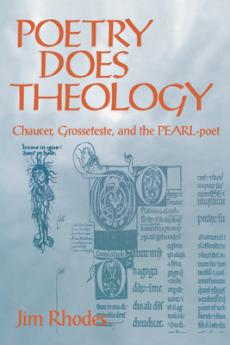
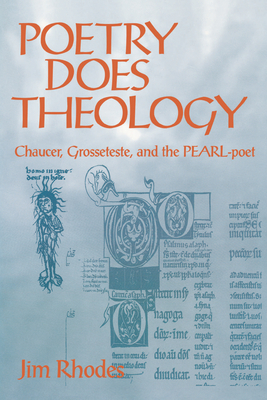
What happens when poetry deals explicitly with a serious theological issue? In <i>Poetry Does Theology</i> Jim Rhodes seeks one answer to that question by analyzing the symbiotic relationship that existed between theology and poetry in fourteenth-century England. He pays special attention to the narrative poems of Chaucer Grosseteste the Pearl-poet the author of Saint Erkenwald and Langland. Rhodes shows that Chaucer and his contemporaries wrote at the end of a linguistic and theological revolution-a time when revised perspectives on the creation and incarnation gave rise to a new humanistic spirit that transformed late medieval theological culture and spurred the development of vernacular theology and poetry. Rhodes' careful analysis describes how the relationship between theology and poetry underwent a radical transformation as the latter half of the fourteenth century progressed.

Piracy-free

Assured Quality

Secure Transactions
Details
ISBN 13
9780268038700
Publication Date
-31-12-2001
Pages
-338
Weight
-459 grams
Dimensions
-152x229x19.18 mm
