

by
Unknown
English


Hardback
₹5883
₹5894
0.19% OFF
(All inclusive*)
Delivery Options
Please enter pincode to check delivery time.
*COD & Shipping Charges may apply on certain items.
Review final details at checkout.
Looking to place a bulk order? SUBMIT DETAILS
Delivery Options
Please enter pincode to check delivery time.
*COD & Shipping Charges may apply on certain items.
Review final details at checkout.
About The Book
Description
Author
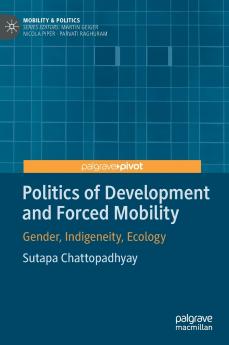
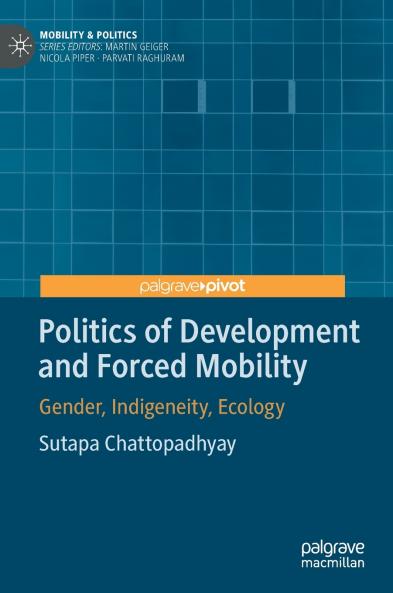
This book broadly analyzes the displacement or forced relocation of Adivasis Indigenous peoples from the Narmada Valley in India due to the construction and execution of a large development project the Sardar Sarovar project which has substantially transformed Adivasi lives roles practices and autonomy and increased their dependence on capital market unsustainable farming practices and urban jobs. Globally Indigenous communities live within a legacy of environmental dispossession due to economic development that dismantles their mental and physical well-being and a land-based way of life. Appropriation dispossession and accumulation is historical and contemporary. Stories of Adivasi people illustrate the horrors of systematic marginalization in general and Adivasi women’s reduced autonomy and economic sufficiency in particular. Key to mention here is that decades of resistance protests counter-struggles marches direct action did not overturn bureaucraticregressions or structural and direct violence towards marginalized or resettled Adivasi people but enabled networks of solidarity arguing their rights and access. The book does not attest to state or corporate power but validates Adivasi agency and autonomy. .

Piracy-free

Assured Quality

Secure Transactions

Fast Delivery

Sustainably Printed
Details
ISBN 13
9783030939007
Publication Date
-07-05-2022
Pages
-176
Weight
-312 grams
Dimensions
-148x210x11.11 mm
