

English


Paperback
₹3860
₹4514
14.49% OFF
(All inclusive*)
Delivery Options
Please enter pincode to check delivery time.
*COD & Shipping Charges may apply on certain items.
Review final details at checkout.
Looking to place a bulk order? SUBMIT DETAILS
Delivery Options
Please enter pincode to check delivery time.
*COD & Shipping Charges may apply on certain items.
Review final details at checkout.
About The Book
Description
Author
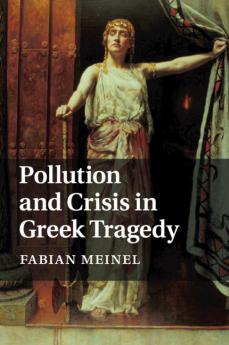
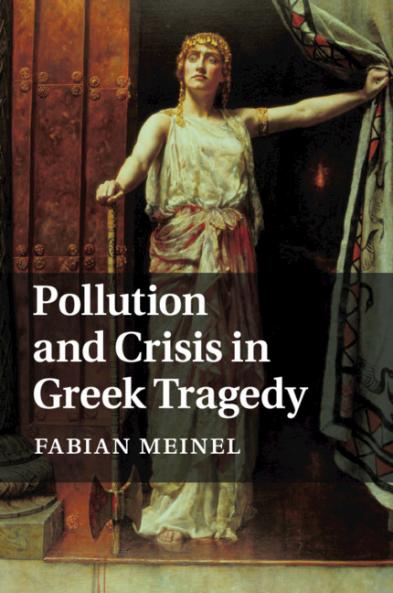
Pollution is ubiquitous in Greek tragedy: matricidal Orestes seeks purification at Apollo''s shrine in Delphi; carrion from Polyneices'' unburied corpse fills the altars of Thebes; delirious Phaedra suffers from a ''pollution of the mind''. This book undertakes the first detailed analysis of the important role which pollution and its counterparts - purity and purification - play in tragedy. It argues that pollution is central in the negotiation of tragic crises fulfilling a diverse array of functions by virtue of its qualities and associations from making sense of adversity to configuring civic identity in the encounter of self and other. While primarily a literary study providing close readings of several key plays the book also provides important new perspectives on pollution. It will appeal to a broad range of scholars and students not only in classics and literary studies but also in the study of religions and anthropology.

Piracy-free

Assured Quality

Secure Transactions

Fast Delivery

Sustainably Printed
Details
ISBN 13
9781108820103
Publication Date
-28-05-2020
Pages
-294
Weight
-401 grams
Dimensions
-152x229x15.66 mm
