

English


₹9659
₹11258
14.2% OFF
(All inclusive*)
Hardback
Delivery Options
Please enter pincode to check delivery time.
*COD & Shipping Charges may apply on certain items.
Review final details at checkout.
Looking to place a bulk order? SUBMIT DETAILS
Delivery Options
Please enter pincode to check delivery time.
*COD & Shipping Charges may apply on certain items.
Review final details at checkout.
About The Book
Description
Author
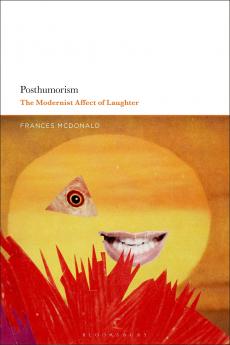
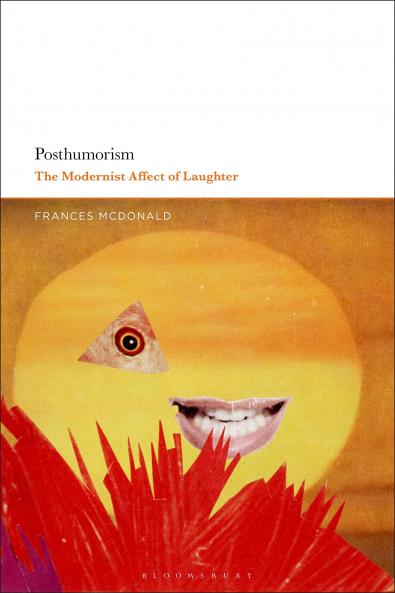
Examining the multiple non-humorous meanings of laughter this book explores a unique strain of laughter in modernism that is without humor without humans and without humanism. Providing a bold new theory of modernism''s affects Posthumorism chronicles the scattered emergence of a particular strain of humorless laughter in twentieth-century literature film and philosophy. From William James''s trippy experiments with laughing gas to the wide-open suicide shriek of Major Kong in Stanley Kubrick''s Dr. Strangelove modernity is strewn with examples of such laughter – defined by its ability to “crack up” and destroy whilst opening new horizons of perception.Examining the creative operation of posthumorist laughter this book explores how various stylists of the form-from Nathanael West and Kurt Vonnegut to Georges Bataille and Hélène Cixous-use it as a tool to unsettle reconfigure the individual human and shape different forms of humanist discourse.

Piracy-free

Assured Quality

Secure Transactions

Fast Delivery

Sustainably Printed
Details
ISBN 13
9781350264618
Publication Date
-21-03-2026
Pages
-192
Weight
-373 grams
Dimensions
-155.96x233.93x11.86 mm
