


This Book is Out of Stock!
English


₹4989
(All inclusive*)
Paperback
Delivery Options
*COD & Shipping Charges may apply on certain items.
Review final details at checkout.
Looking to place a bulk order? SUBMIT DETAILS
*COD & Shipping Charges may apply on certain items.
Review final details at checkout.
₹4989
Out Of Stock
All inclusive*
About The Book
Description
Author(s)
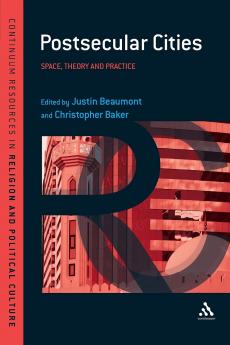
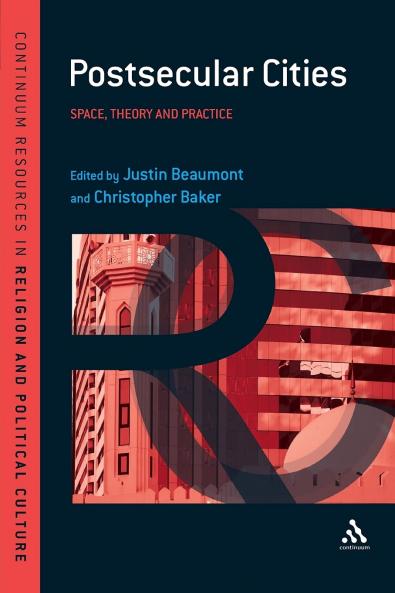
This book reflects the wide-spread belief that the twenty-first century is evolving in a significantly different way to the twentieth which witnessed the advance of human rationality and technological progress including urbanisation and called into question the public and cultural significance of religion. In this century by contrast religion faith communities and spiritual values have returned to the centre of public life especially public policy governance and social identity. Rapidly diversifying urban locations are the best places to witness the emergence of new spaces in which religions and spiritual traditions are creating both new alliances but also bifurcations with secular sectors. Postsecular Cities examines how the built environment reflects these trends. Recognizing that the ''turn to the postsecular'' is a contested and multifaceted trend the authors offer a vigorous open but structured dialogue between theory and practice but even more excitingly between the disciplines of human geography and theology. Both disciplines reflect on this powerful but enigmatic force shaping our urban humanity. This unique volume offers the first insight into these interdisciplinary and challenging debates. The relationship between religion and politics is both fascinating and challenging and recent years have seen substantial changes in the way this relationship is studied.

Piracy-free

Assured Quality

Secure Transactions

Fast Delivery

Sustainably Printed
Details
ISBN 13
9781441144256
Publication Date
-18-08-2011
Pages
-296
Weight
-424 grams
Dimensions
-155.96x233.93x15.81 mm
