

English


Paperback
₹4225
₹4443
4.9% OFF
(All inclusive*)
Delivery Options
Please enter pincode to check delivery time.
*COD & Shipping Charges may apply on certain items.
Review final details at checkout.
Looking to place a bulk order? SUBMIT DETAILS

Piracy-free

Assured Quality

Secure Transactions
About The Book
Description
Author
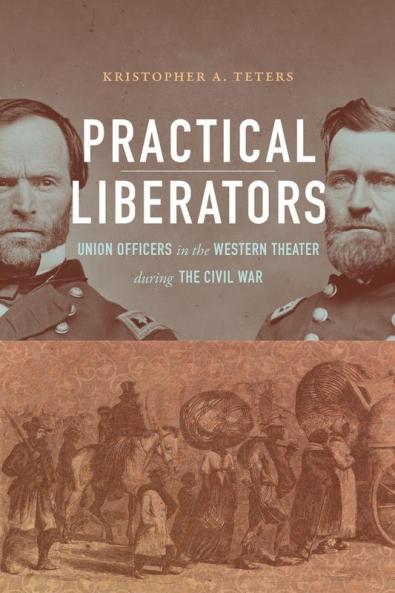
During the first fifteen months of the Civil War the policies and attitudes of Union officers toward emancipation in the western theater were at best inconsistent and fraught with internal strains. But after Congress passed the Second Confiscation Act in 1862 army policy became mostly consistent in its support of liberating the slaves in general in spite of Union army officers' differences of opinion. By 1863 and the final Emancipation Proclamation the army had transformed into the key force for instituting emancipation in the West. However Kristopher Teters argues that the guiding principles behind this development in attitudes and policy were a result of military necessity and pragmatic strategies rather than an effort to enact racial equality.<br/><br/>Through extensive research in the letters and diaries of western Union officers Teters demonstrates how practical considerations drove both the attitudes and policies of Union officers regarding emancipation. Officers primarily embraced emancipation and the use of black soldiers because they believed both policies would help them win the war and save the Union but their views on race actually changed very little. In the end however despite its practical bent Teters argues the Union army was instrumental in bringing freedom to the slaves.
Piracy-free
Assured Quality
Secure Transactions
Delivery Options
Please enter pincode to check delivery time.
*COD & Shipping Charges may apply on certain items.
Review final details at checkout.
Details
ISBN 13
9781469668826
Publication Date
-02-11-2021
Pages
-236
Weight
-342 grams
Dimensions
-156x234x13.63 mm
