



This Book is Out of Stock!
English



Hardback
₹10211
₹13435
24% OFF
(All inclusive*)
Delivery Options
*COD & Shipping Charges may apply on certain items.
Review final details at checkout.
Looking to place a bulk order? SUBMIT DETAILS

Piracy-free

Assured Quality

Secure Transactions
About The Book
Description
Author
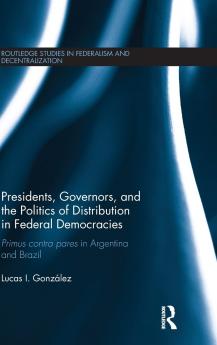
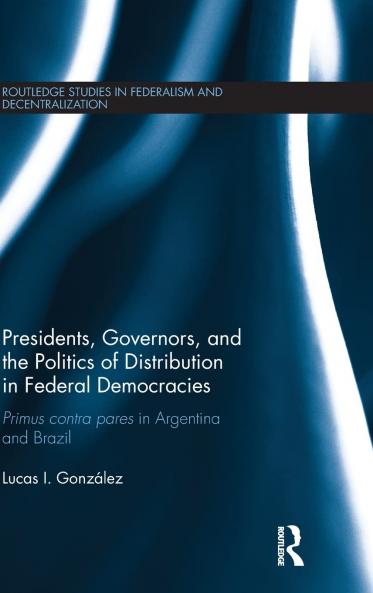
<p>Tensions between central authorities and subnational units over centralization and fiscal autonomy are on top of the political agenda in many developing federal countries. </p><p>This book examines historical changes in the balance between the resources that presidents and governors control and the policy responsibilities they have to deliver. It focuses on Argentina and Brazil the most decentralized federal countries in Latin America with the most powerful sub-national governments in the region. Using formal modelling statistical tools and comparative historical analyses it examines substantive shifts in the allocation of resources and the distribution of administrative functions and explains under which conditions these changes occur. In doing so it presents theoretical and comparative implications for the study of fiscal federalism and the functioning of developing federal democracies.</p><p>This text will be of key interest to scholars and students of federalism intergovernmental relations decentralization and sub-national politics and more broadly to those studying comparative politics democratization political elites public policy and economics.</p>
Piracy-free
Assured Quality
Secure Transactions
*COD & Shipping Charges may apply on certain items.
Review final details at checkout.
₹10211
₹13435
24% OFF
Hardback
Out Of Stock
All inclusive*
Details
ISBN 13
9781138943858
Publication Date
-14-03-2016
Pages
-340
Weight
-576 grams
Dimensions
-156x234x19.47 mm
