


English


Paperback
₹1559
₹1598
2.44% OFF
(All inclusive*)
Delivery Options
Please enter pincode to check delivery time.
*COD & Shipping Charges may apply on certain items.
Review final details at checkout.
Looking to place a bulk order? SUBMIT DETAILS

Piracy-free

Assured Quality

Secure Transactions
About The Book
Description
Author
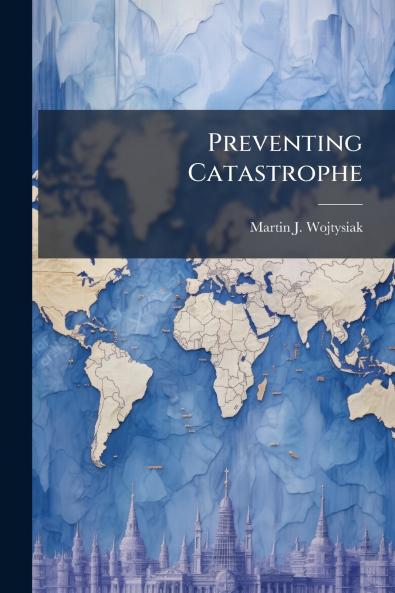
<p>Whether the U.S. likes it or not India and Pakistan have nuclear weapons. Despite the international successes of the NPT in other parts of the world South Asia's principal antagonists have joined the nuclear club. The region is unstable-in recent years the common animus shared by India and Pakistan has deepened through a series of worrying developments. The danger is real and potentially disastrous as the two nations include one quarter of the world's population. Will the U.S. continue its myopic adherence to hard line NPT standards and risk catastrophe or will it address South Asia's proliferation in a manner that decreases bitterness and controls risks? This paper takes a critical look at U.S. regional objectives and suggests how they might be achieved. If current U.S. nuclear nonproliferation policy is failing to adequately address the danger in South Asia perhaps a new policy line is warranted. One approach-a regional nonproliferation regime between India and Pakistan with U.S. participation in a third party or mediating role-could be realistically acceptable to all sides. Indian and Pakistani embassy officers U.S. government officials from DOD DOS and Capitol Hill and other regional experts considered the notion of a regional regime during a number of author-conducted interviews in December 2000.</p><p>This work has been selected by scholars as being culturally important and is part of the knowledge base of civilization as we know it. This work was reproduced from the original artifact and remains as true to the original work as possible. Therefore you will see the original copyright references library stamps (as most of these works have been housed in our most important libraries around the world) and other notations in the work.</p><p>This work is in the public domain in the United States of America and possibly other nations. Within the United States you may freely copy and distribute this work as no entity (individual or corporate) has a copyright on the body of the work.</p><p>As a reproduction of a historical artifact this work may contain missing or blurred pages poor pictures errant marks etc. Scholars believe and we concur that this work is important enough to be preserved reproduced and made generally available to the public. We appreciate your support of the preservation process and thank you for being an important part of keeping this knowledge alive and relevant.</p>
Piracy-free
Assured Quality
Secure Transactions
Delivery Options
Please enter pincode to check delivery time.
*COD & Shipping Charges may apply on certain items.
Review final details at checkout.
Details
ISBN 13
9781288333905
Publication Date
-21-11-2012
Pages
-48
Weight
-84 grams
Dimensions
-156x234x2.63 mm
