




Hardback
₹24007
(All inclusive*)
Delivery Options
Please enter pincode to check delivery time.
*COD & Shipping Charges may apply on certain items.
Review final details at checkout.
Looking to place a bulk order? SUBMIT DETAILS

Piracy-free

Assured Quality

Secure Transactions
About The Book
Description
Author(s)
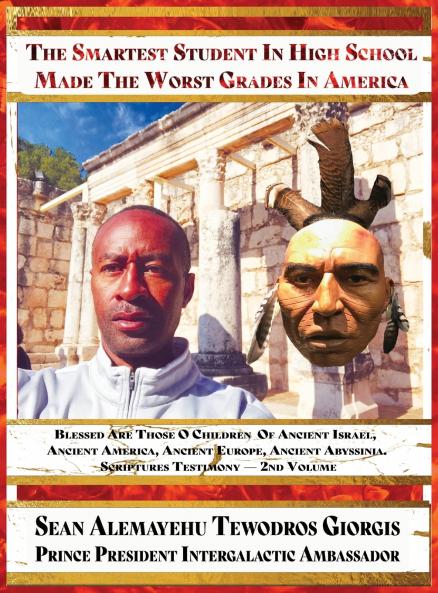
<p>Book Synopsis</p><p>The Smartest Student In High School Made The Worst Grades In America: Blessed Are Those O Children is a multidimensional spiritual historical and philosophical work that follows the journey of a misunderstood mind navigating between intelligence perception and hidden truth. The central narrative explores how conventional systems-education religion and society-often misjudge true wisdom labeling it as failure while concealing deeper knowledge.</p><p>The story begins with the paradox of a gifted student whose intellectual depth is incompatible with standardized measures of success. Through early scriptures the reader is introduced to a world where grades do not reflect intelligence but rather conformity. This sets the foundation for a broader critique of institutional systems that suppress critical thinking and spiritual awareness.</p><p>As the narrative unfolds the book bridges personal experience with historical and symbolic figures. Figures such as Oscar Micheaux represent overlooked brilliance while themes of conspiracy replica humanity and hidden knowledge emerge during formative educational years. These elements introduce the idea that reality itself may be layered manipulated or misunderstood.</p><p>The work then transitions into ancient history and mythology drawing connections between figures like Tammuz Nimrod Sargon II and Semiramis. These chapters reinterpret traditional narratives suggesting that ancient lineages power structures and divine claims have shaped human civilization in ways that remain hidden or distorted.</p><p>Biblical and spiritual reinterpretation becomes central as the narrative explores King David the Psalms and the crucifixion followed by the story of Emmanuel. These chapters challenge established religious doctrines presenting alternative perspectives on prophecy identity and divine purpose. The text continues by examining the lineage conflicts between Esau and Jacob reframing them as enduring symbolic struggles between nations identities and destinies.</p><p>Geographical and archaeological sites such as Petra and the Axumite Kingdom are introduced as living evidence of ancient wisdom and lost civilizations. The narrative expands further into pre-flood histories through figures like Noah (Utnapishtim) exploring generational continuity and survival knowledge passed through time.</p><p>A major turning point occurs with the exploration of Enoch (Henok) and hidden revelations including the concept of multiple Jesus figures within the New Testament. This section critically examines religious texts questioning authorship translation and theological interpretation. Figures like John the Baptist and Elijah are recontextualized emphasizing cyclical prophecy and recurring spiritual roles.</p><p>The book also critiques modern religious institutions arguing that many teachings-particularly those derived from Pauline doctrine-have shifted the original message of spiritual truth. Themes of manipulation institutional control and doctrinal distortion are explored in depth.</p><p>From there the narrative revisits well-known biblical events such as Sodom and Gomorrah and the crucifixion reframing them as misunderstood or symbolically altered accounts (Cruxi-Fiction). These reinterpretations aim to separate historical truth from narrative construction.</p><p>The later chapters broaden into global and cosmic perspectives connecting Ethiopian history (King Ezana of Axum) Mesopotamian epics (Gilgamesh) and even speculative locations like the Grand Canyon and Nibiru. These elements suggest an interconnected ancient world influenced by advanced knowledge celestial events and possibly non-human intelligence.</p>
Piracy-free
Assured Quality
Secure Transactions
Delivery Options
Please enter pincode to check delivery time.
*COD & Shipping Charges may apply on certain items.
Review final details at checkout.
Details
ISBN 13
9781736433010
Publication Date
-31-05-2022
Pages
-590
Weight
-1522 grams
Dimensions
-216x280x46.04 mm
