

English


₹11913
(All inclusive*)
Hardback
Delivery Options
Please enter pincode to check delivery time.
*COD & Shipping Charges may apply on certain items.
Review final details at checkout.
Looking to place a bulk order? SUBMIT DETAILS
Delivery Options
Please enter pincode to check delivery time.
*COD & Shipping Charges may apply on certain items.
Review final details at checkout.
About The Book
Description
Author(s)
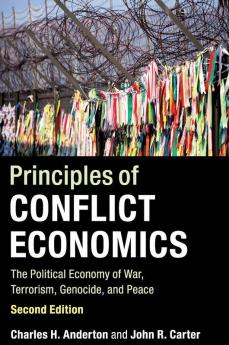
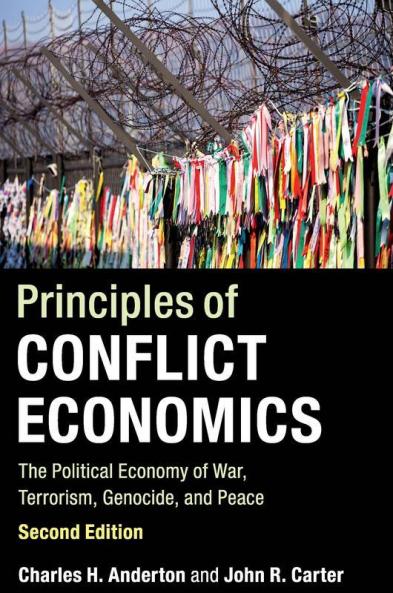
Conflict economics contributes to an understanding of violent conflict and peace in two important ways. First it applies economic concepts and models to help one understand diverse conflict activities such as war terrorism genocide and peace. Second it treats coercive appropriation as a fundamental economic activity joining production and exchange as a means of wealth acquisition. In the second edition of their book Principles of Conflict Economics Anderton and Carter provide comprehensive up-to-date coverage of the key themes and principles of conflict economics. Along with new scholarship on well-established areas such as war terrorism and alliances and under-researched areas including genocides individual and family aspects of war and conflict prevention they apply new economic tools to the study of war and peace such as behavioral economics and economics of identity and offer deeper research and policy insights into how to reconstitute societies after large-scale violence.

Piracy-free

Assured Quality

Secure Transactions

Fast Delivery

Sustainably Printed
Details
ISBN 13
9781107184206
Publication Date
-25-04-2019
Pages
-526
Weight
-788 grams
Dimensions
-151.89x228.09x29.02 mm
