

English


₹8401
(All inclusive*)
Paperback
Delivery Options
Please enter pincode to check delivery time.
*COD & Shipping Charges may apply on certain items.
Review final details at checkout.
Looking to place a bulk order? SUBMIT DETAILS
Delivery Options
Please enter pincode to check delivery time.
*COD & Shipping Charges may apply on certain items.
Review final details at checkout.
About The Book
Description
Author
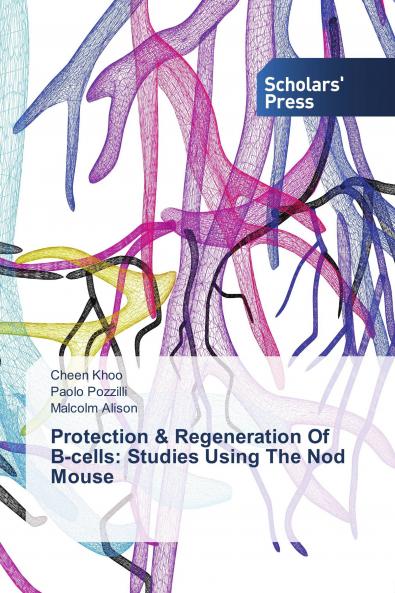
Diabetes is a chronic disease affecting approximately 250 million people. To date transplantation-based therapy is the therapy of choice; however its success is hampered by the scarcity of transplantable human material. An alternative strategy is the promotion of regeneration in the pancreas. Endothelial progenitor cells (EPCs) a subpopulation of bone marrow (BM) cells can contribute to tissue repair in various pathological conditions via the formation of new blood vessels. The role and regenerative potential of EPCs in diabetes using non-obese diabetic (NOD) mice a model of type 1 diabetes (T1D) will be discussed. In addition to promoting endogenous β-cell regeneration using EPCs a strategy to protect β-cell death via apoptosis using a protease peptide XG-102 developed by Xigen was investigated. In conclusion our results shown that both therapeutic strategies showed great promise in regenerating the damaged pancreas of NOD mice. While these strategies are still under further investigation they offer encouragement in the quest for the treatment of early diabetes in the future.

Piracy-free

Assured Quality

Secure Transactions

Fast Delivery

Sustainably Printed
Details
ISBN 13
9783659839191
Publication Date
-01-08-2016
Pages
-208
Weight
-275 grams
Dimensions
-150x220x11.29 mm
