


English



Paperback
₹6339
(All inclusive*)
Delivery Options
Please enter pincode to check delivery time.
*COD & Shipping Charges may apply on certain items.
Review final details at checkout.
Looking to place a bulk order? SUBMIT DETAILS

Piracy-free

Assured Quality

Secure Transactions
About The Book
Description
Author
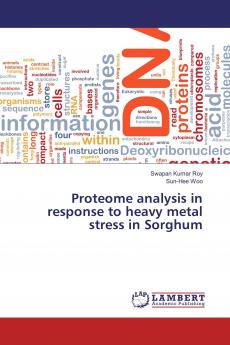
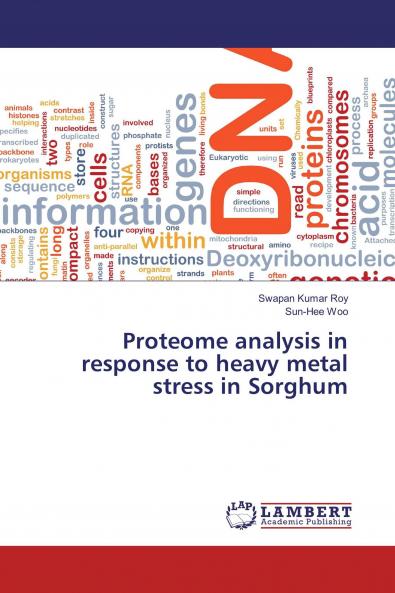
Many abiotic stresses directly or indirectly affect agricultural crops drastically. Among the abiotic stresses heavy metals such as cadmium (Cd) and copper (Cu) are thought to be the most detrimental not only reducing plant growth and development but also deteriorating the quality of food. In addition heavy metals at toxic levels have the capability to interact with several important cellular biomolecules such as nuclear proteins and DNA leading to oxidative stress in plants. To cope with metal toxicity as well as to control metal homeostasis and redox status plants have developed multiple metal tolerance mechanisms within the cell including exclusion compartmentalization and chelation by organic ligands of organic acids amino acids proteins and peptides. The present study unraveled some target proteins regulated by metal-stress that may provide new insight and a better understanding of the mechanisms of metal-stress tolerant plants. In addition the findings obtained from the study suggest that the differentially expressed proteins involved in resistance to stress helped Sorghum bicolor to tolerate high levels of heavy metals.
Piracy-free
Assured Quality
Secure Transactions
Delivery Options
Please enter pincode to check delivery time.
*COD & Shipping Charges may apply on certain items.
Review final details at checkout.
Details
ISBN 13
9786135839753
Publication Date
-16-01-2018
Pages
-208
Weight
-275 grams
Dimensions
-150x220x11.29 mm
