


English




Paperback
₹999
₹1056
5.4% OFF
(All inclusive*)
Delivery Options
Please enter pincode to check delivery time.
*COD & Shipping Charges may apply on certain items.
Review final details at checkout.
Looking to place a bulk order? SUBMIT DETAILS
Delivery Options
Please enter pincode to check delivery time.
*COD & Shipping Charges may apply on certain items.
Review final details at checkout.
About The Book
Description
Author
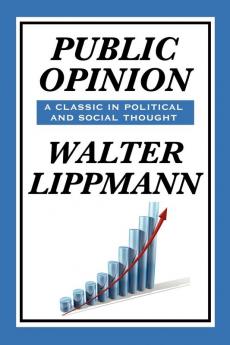
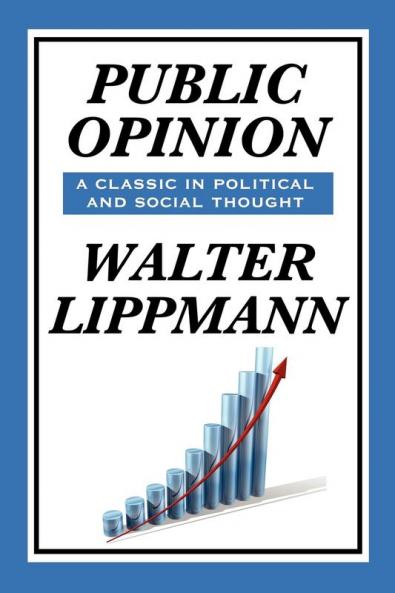
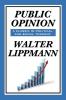
<p><strong>Walter Lippmann's <em>Public Opinion</em> is one of the foundational twentieth-century works on democracy journalism propaganda and the formation of public belief.</strong> Published in 1922 the book examines how citizens understand events they do not directly experience how news and political language shape perception and how simplified mental images-what Lippmann famously calls the pictures in our heads-influence public judgment. Written after the First World War and amid the rise of modern mass media it remains a central text for readers interested in political communication media studies public opinion and democratic theory.</p><p>Lippmann argues that modern society is too complex for citizens to grasp directly making the press experts symbols stereotypes and institutional systems central to political life. His analysis is not a simple attack on journalism or democracy but a sober account of how public knowledge is made distorted organised and used. For readers of political science journalism propaganda studies communication theory social psychology and American intellectual history <em>Public Opinion</em> remains a disciplined and influential study of the modern public mind.</p>

Piracy-free

Assured Quality

Secure Transactions

Fast Delivery

Sustainably Printed
Details
ISBN 13
9781604599541
Publication Date
-02-02-2010
Pages
-226
Weight
-312 grams
Dimensions
-152x229x12.72 mm
