


English




₹16514
₹21752
24.08% OFF
(All inclusive*)
Hardback
Delivery Options
Please enter pincode to check delivery time.
*COD & Shipping Charges may apply on certain items.
Review final details at checkout.
Looking to place a bulk order? SUBMIT DETAILS
Delivery Options
Please enter pincode to check delivery time.
*COD & Shipping Charges may apply on certain items.
Review final details at checkout.
About The Book
Description
Author
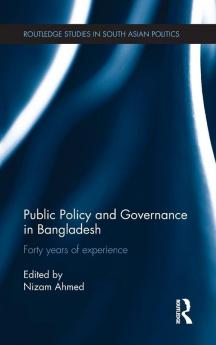
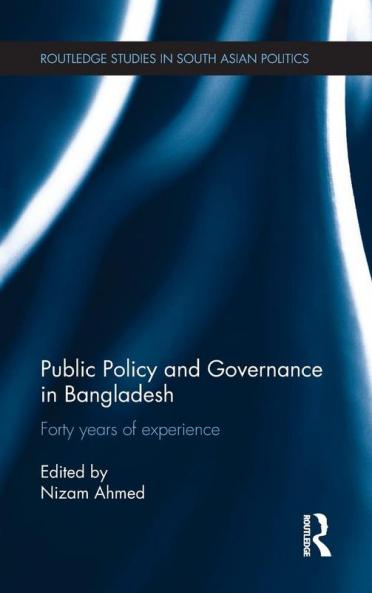
<p>Good policies are an important prerequisite of good governance and any effort to change one is likely to affect the other. In emerging democracies such as Bangladesh a redefinition of roles and responsibilities of different actors in the policy and governing process can be noticed. </p><p>This book identifies and analyses issues related to the making and implementation of public policies in Bangladesh over the last four decades (1972-2012). It explores the implications of the change that has taken place in policy and governance environment in Bangladesh. Focusing on several important sectoral and sub-sectoral polices it examines the impact and limitations of the change.</p><p>Chapters are structured into four parts: Public Policy Bureaucracy and Parliament; Cases of Public Policy; Women in Governance and Public Administration; Ethics Innovations and Public Service Delivery and the book is a valuable resource for researchers in the field of development studies public policy and South Asian politics. </p>

Piracy-free

Assured Quality

Secure Transactions

Fast Delivery

Sustainably Printed
Details
ISBN 13
9781138657960
Publication Date
-20-06-2016
Pages
-270
Weight
-480 grams
Dimensions
-156x234x15.87 mm
