


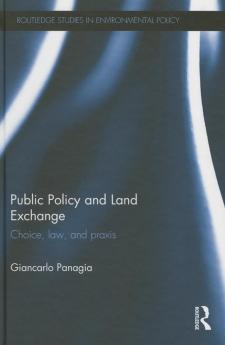

This Book is Out of Stock!
English




Hardback
₹16535
₹20145
17.92% OFF
(All inclusive*)
Delivery Options
*COD & Shipping Charges may apply on certain items.
Review final details at checkout.
Looking to place a bulk order? SUBMIT DETAILS
*COD & Shipping Charges may apply on certain items.
Review final details at checkout.
₹16535
₹20145
17% OFF
Hardback
Out Of Stock
All inclusive*
About The Book
Description
Author
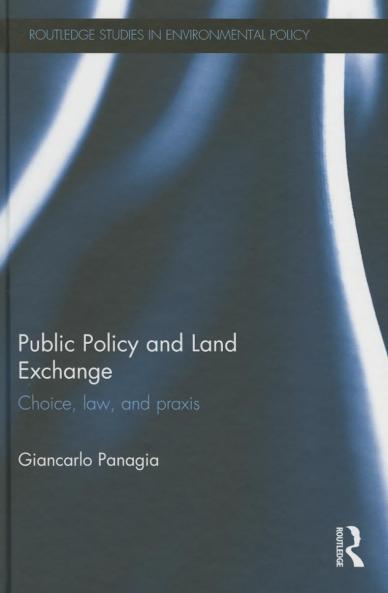
<p>This original contribution to the field is the first to bring economic sociology theory to the study of federal land exchanges. By blending public choice theory with engaging case studies that contextualize the tactics used by land developers this book uses economic sociology to help challenge the under-valuation of federal lands in political decisions. The empirically-based scholarly analysis of federal-private land swaps exposes serious institutional dysfunctions which sometimes amount to outright corruption. By evaluating investigative reports of each federal agency case study the book illustrates the institutional nature of the actors in land swaps and in particular the history of U.S. agencies’ promotion of private interests in land exchanges. </p><p>Using public choice theory to make sense of the privatization of public lands the book looks in close detail at the federal policies of the Bureau of Land Management and the U.S. Forest Service land swaps in America. These pertinent case studies illustrate the trends to transfer federal lands notwithstanding their flawed value appraisals or interpretation of public interest; thus violating both the principles of equality in value and observance of specific public policy. </p><p>The book should be of interest to students and scholars of public land and natural resource management as well as political science public policy and land law. </p>

Piracy-free

Assured Quality

Secure Transactions

Fast Delivery

Sustainably Printed
Details
ISBN 13
9781138797505
Publication Date
-14-05-2015
Pages
-190
Weight
-370 grams
Dimensions
-156x234x11.76 mm
