


by
John Lok
English
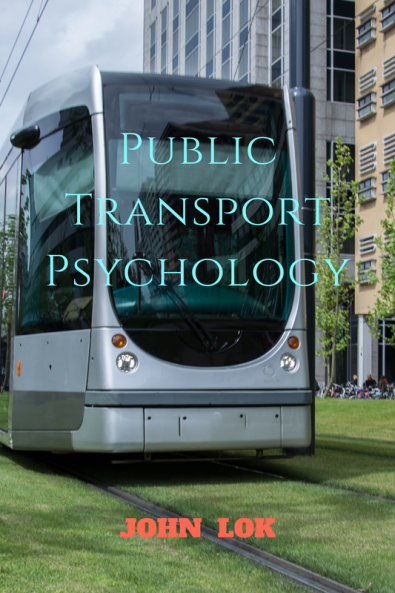


Paperback
₹910
(All inclusive*)
Delivery Options
Please enter pincode to check delivery time.
*COD & Shipping Charges may apply on certain items.
Review final details at checkout.
Looking to place a bulk order? SUBMIT DETAILS
Delivery Options
Please enter pincode to check delivery time.
*COD & Shipping Charges may apply on certain items.
Review final details at checkout.
About The Book
Description
Author
<p>My centers on the departure from the rational actor model of classical economics. Traditional transport planning relied heavily on the utility maximization theory which assumes passengers choose modes based solely on time and cost. However behavioral economics suggests that human decision-making is influenced by cognitive biases heuristics and social context.</p><p>When analyzing how passengers select transport tools behavioral economists emphasize that individuals do not always calculate the most efficient route. Instead they are influenced by choice architecture or the environment in which decisions are made.</p><p>Factors influencing these choices include the status quo bias where commuters stick to their current mode of transport despite better alternatives and loss aversion where the perceived pain of a potential delay outweighs the pleasure of a faster commute.</p>

Piracy-free

Assured Quality

Secure Transactions

Fast Delivery

Sustainably Printed
Details
ISBN 13
9798887492322
Publication Date
-04-07-2022
Pages
-204
Weight
-246 grams
Dimensions
-139.7x215.9x11.54 mm
