

English


₹4091
(All inclusive*)
Paperback
Delivery Options
Please enter pincode to check delivery time.
*COD & Shipping Charges may apply on certain items.
Review final details at checkout.
Looking to place a bulk order? SUBMIT DETAILS
Delivery Options
Please enter pincode to check delivery time.
*COD & Shipping Charges may apply on certain items.
Review final details at checkout.
About The Book
Description
Author
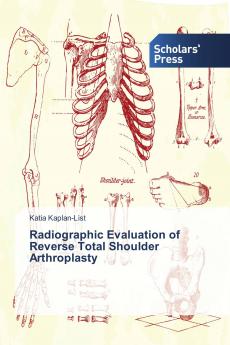
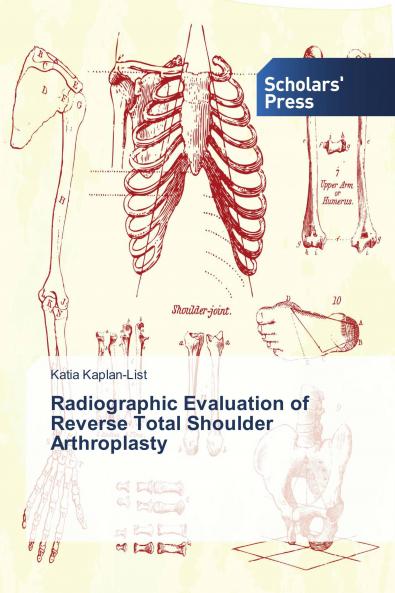
Radiographic evaluation of a shoulder before and after Reverse Total Shoulder Arthroplasty (RTSA) requires the knowledge of the shoulder anatomy specific measurements and pathology with particular attention to details that are relevant to the surgeon in order to prepare perform and predict the outcome of the surgery. Basic knowledge of the procedure itself and of the prosthesis design and radiographic appearance are important since they allow the radiologist to identify the expected normal and abnormal appearance in the postoperative period. Unlike a conventional total shoulder arthroplasty a reverse shoulder arthroplasty involves reversal of the glenoid and humeral components so that glenoid is replaced with a metal ball or glenosphere and the humeral head is replaced with a socket. These features make it more fit for managing certain shoulder pathology.

Piracy-free

Assured Quality

Secure Transactions

Fast Delivery

Sustainably Printed
Details
ISBN 13
9783639765953
Publication Date
-03-06-2015
Pages
-92
Weight
-137 grams
Dimensions
-150x220x5.33 mm
