

English



Paperback
₹191
₹225
15.11% OFF
(All inclusive*)
Delivery Options
Please enter pincode to check delivery time.
*COD & Shipping Charges may apply on certain items.
Review final details at checkout.
Looking to place a bulk order? SUBMIT DETAILS
Delivery Options
Please enter pincode to check delivery time.
*COD & Shipping Charges may apply on certain items.
Review final details at checkout.
About The Book
Description
Author
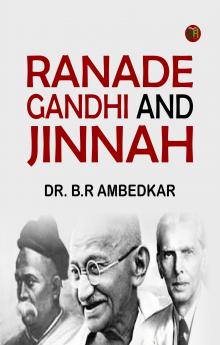
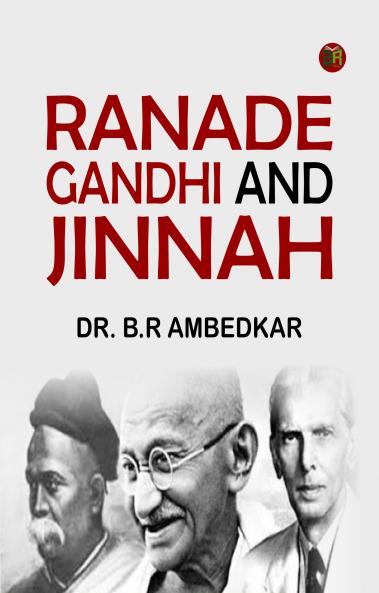
Ambedkar begins by contrasting the approaches of these leaders. He praises Mahadev Govind Ranade a 19th-century reformer for his pragmatic and inclusive vision of reform. Ranade according to Ambedkar emphasized gradual social change balancing tradition and modernity while addressing the inequities of the caste system and advocating for education and women’s rights. Mahatma Gandhi while celebrated for his leadership of the Indian independence movement is critiqued by Ambedkar for his reliance on the concept of village republics and his idealization of rural life. Ambedkar argues that Gandhi’s ideas often ignored the deeply ingrained inequalities in rural India particularly the oppression of Dalits which Ambedkar believed required more radical and systemic solutions. Muhammad Ali Jinnah is analyzed in the context of his demand for a separate Muslim state. Ambedkar evaluates Jinnah's leadership as a reaction to the Congress party’s dominance and the perceived marginalization of Muslims in a Hindu-majority India. While acknowledging Jinnah’s political acumen Ambedkar critiques the communalist undertones of his politics which he saw as divisive.

Piracy-free

Assured Quality

Secure Transactions

Fast Delivery

Sustainably Printed
Details
ISBN 13
9789368348610
Publication Date
-11-11-2024
Pages
-45
Weight
-66 grams
Dimensions
-139.7x215.9x3.07 mm
