

English


₹13265
₹17091
22.39% OFF
(All inclusive*)
Hardback
Delivery Options
Please enter pincode to check delivery time.
*COD & Shipping Charges may apply on certain items.
Review final details at checkout.
Looking to place a bulk order? SUBMIT DETAILS
Delivery Options
Please enter pincode to check delivery time.
*COD & Shipping Charges may apply on certain items.
Review final details at checkout.
About The Book
Description
Author(s)
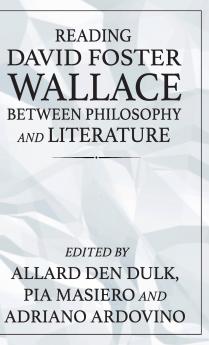
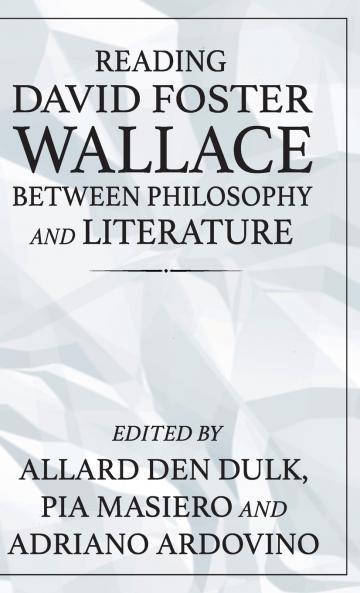
This book breaks new ground by showing that the work of David Foster Wallace originates from and functions in the space between philosophy and literature. Philosophy is not a mere supplement to or decoration of his writing nor does he use literature to illustrate pre-established philosophical truths. Rather for Wallace philosophy and literature are intertwined ways of experiencing and expressing the world that emerge from and amplify each other. The book does not advance a fixed or homogenous interpretation of Wallace's oeuvre but instead offers an investigative approach that allows for a variety of readings. The volume features fourteen new essays by prominent and promising Wallace scholars divided into three parts: one on general aspects of Wallace's oeuvre - such as his aesthetics form and engagement with performance - and two parts with thematic focuses namely 'Consciousness Self and Others' and 'Embodiment Gender and Sexuality'.

Piracy-free

Assured Quality

Secure Transactions

Fast Delivery

Sustainably Printed
Details
ISBN 13
9781526163547
Publication Date
-08-11-2022
Pages
-360
Weight
-500 grams
Dimensions
-140x216x23.81 mm
