

English


Paperback
₹5969
(All inclusive*)
Delivery Options
Please enter pincode to check delivery time.
*COD & Shipping Charges may apply on certain items.
Review final details at checkout.
Looking to place a bulk order? SUBMIT DETAILS
Delivery Options
Please enter pincode to check delivery time.
*COD & Shipping Charges may apply on certain items.
Review final details at checkout.
About The Book
Description
Author
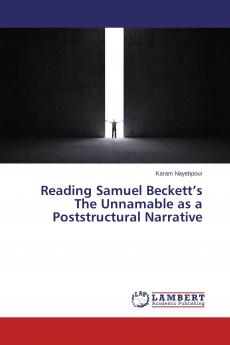
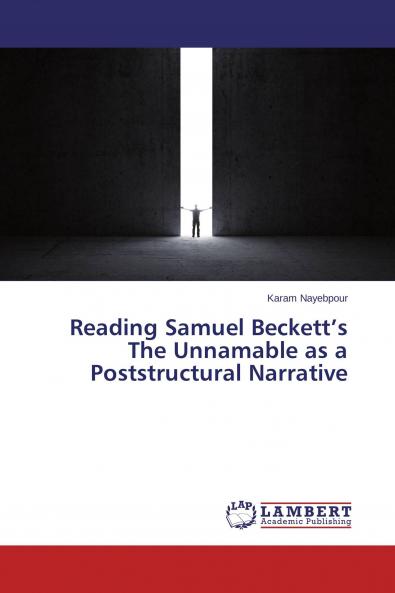
Questioning lies at the core of Samuel Beckett’s fictional worlds. In The Unnamable the thinking ability of the Cartesian I is questioned from the very beginning. In this way any established certainty about self-identity space (place and time) the Other and more importantly language is questioned. Despite that the whole narrative reveals an unending desire to “go on” so that the unnamable narrator or voice might finally find an internal peace a sense or meaning. What differentiates him from the modernist characters is his ultimate disbelief in language in both rendering an ultimate meaning or signified and communicating his thoughts to the outside world. However he is not a postmodern absurdist too. Being aware of the true function of language and the ubiquitous presence of the Other he is still willingly looking for the possible ways in order to define as well as understand himself. True that Beckett was not the initiator of philosophical contemplation on human beings’ being and existence he can undoubtedly be taken as the first writer who addressed the already existing epistemological and ontological questions in highly literary forms.

Piracy-free

Assured Quality

Secure Transactions

Fast Delivery

Sustainably Printed
Details
ISBN 13
9783659748165
Publication Date
-23-06-2015
Pages
-92
Weight
-137 grams
Dimensions
-150x220x5.33 mm
