

English


Paperback
₹2546
₹3281
22.4% OFF
(All inclusive*)
Delivery Options
Please enter pincode to check delivery time.
*COD & Shipping Charges may apply on certain items.
Review final details at checkout.
Looking to place a bulk order? SUBMIT DETAILS
Delivery Options
Please enter pincode to check delivery time.
*COD & Shipping Charges may apply on certain items.
Review final details at checkout.
About The Book
Description
Author
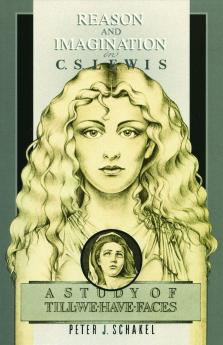
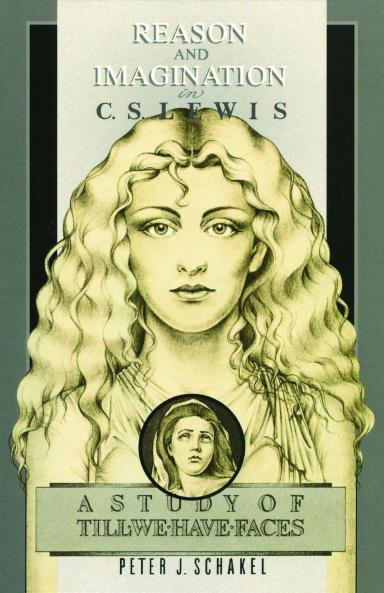
<I>This is a&#160;<a href=http://www.eerdmans.com/Pag%20es/About/Books-on-%20Demand.aspx>print on demand</a>&#160;book and is therefore non- returnable.</I><BR /><BR /> The first study of C. S. Lewis to offer a detailed examination of&#160;<I>Till We Have Faces</I> Peter J. Schakel&#39;s new book is also the first to explore the tension between reason and imagination that significantly shaped Lewis&#39;s thinking and writing.<BR /><BR /> Schakel begins with a close analysis of&#160;<I>Till We Have Faces</I>&#160;which leads the reader through the plot clarifying its themes as it discusses structure symbols and allusions.<BR /><BR /> The second part of the book surveys Lewis&#39;s works tracing the tension between reason and imagination. In the works of the thirties and forties reason is in the ascendant; from the early fifties on in works such as the Chronicles of Narnia there is an increased emphasis on imagination &mdash; which culminates in the fine &quot;myth retold&quot;&#160;<I>Till We Have Faces</I>. Imagination and reason are reconciled finally in works of the early sixties such as&#160;<I>A Grief Observed</I>&#160;and&#160;<I>Letters to Malcolm</I>.

Piracy-free

Assured Quality

Secure Transactions

Fast Delivery

Sustainably Printed
Details
ISBN 13
9780802819987
Publication Date
-01-05-1984
Pages
-220
Weight
-265 grams
Dimensions
-140x216x12.75 mm
