

English


Hardback
₹12893
₹16292
20.86% OFF
(All inclusive*)
Delivery Options
Please enter pincode to check delivery time.
*COD & Shipping Charges may apply on certain items.
Review final details at checkout.
Looking to place a bulk order? SUBMIT DETAILS
Delivery Options
Please enter pincode to check delivery time.
*COD & Shipping Charges may apply on certain items.
Review final details at checkout.
About The Book
Description
Author
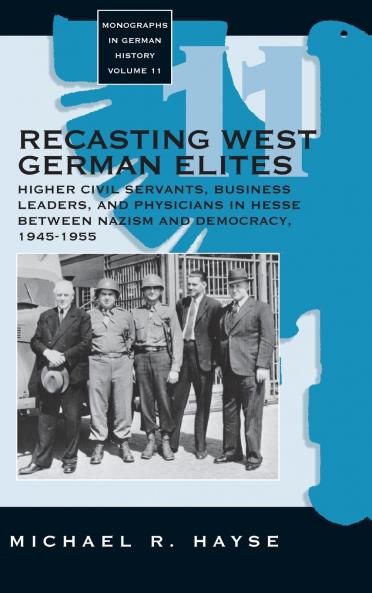
<p> The rapid shift of German elite groups' political loyalties away from Nazism and toward support of the fledgling democracy of the Federal Republic in spite of the continuity of personnel and professional structures has surprised many scholars of postwar Germany. The key Hayse argues lies in the peculiar and paradoxical legacy of these groups' evasive selective memory by which they cast themselves as victims of the Third Reich rather than its erstwhile supporters. The avoidance of responsibility for the crimes and excesses of the Third Reich created a need to demonstrate democratic behavior in the post-war public sphere. Ultimately this self-imposed pressure while based on a falsified selective group memory of the recent past was more important in the long term than the Allies' stringent social change policies.</p>

Piracy-free

Assured Quality

Secure Transactions

Fast Delivery

Sustainably Printed
Details
ISBN 13
9781571812711
Publication Date
-01-11-2003
Pages
-300
Weight
-497 grams
Dimensions
-152x229x17.46 mm
