

English


Hardback
₹6146
₹6254
1.73% OFF
(All inclusive*)
Delivery Options
Please enter pincode to check delivery time.
*COD & Shipping Charges may apply on certain items.
Review final details at checkout.
Looking to place a bulk order? SUBMIT DETAILS
Delivery Options
Please enter pincode to check delivery time.
*COD & Shipping Charges may apply on certain items.
Review final details at checkout.
About The Book
Description
Author(s)
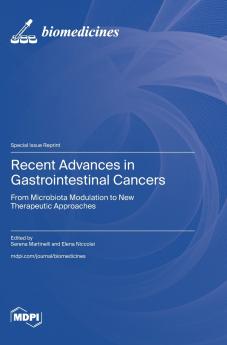
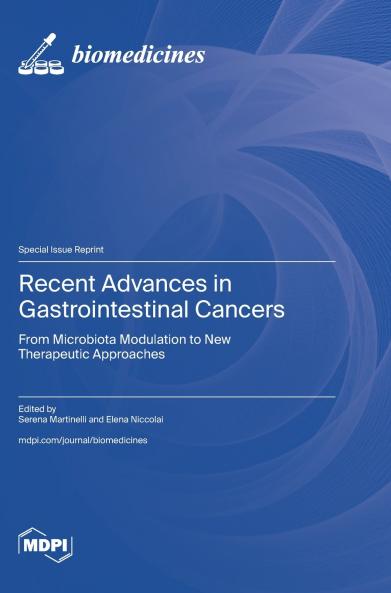
<p>Gastrointestinal (GI) cancers including colorectal pancreatic and biliary tract cancers account for nearly one in four cancer cases and one in three cancer deaths worldwide. This Special Issue explores advances in prevention diagnosis and treatment focusing on immunotherapy precision medicine targeted therapies and artificial intelligence. Despite advances in standard treatments many patients still face aggressive or refractory disease highlighting the need for innovative therapeutic strategies and predictive tools. The published contributions reflect the multidimensional evolution of GI oncology within the precision medicine paradigm. Pharmacological advances such as the combination of regorafenib with 5-fluorouracil or bevacizumab with trifluridine-tipiracil have demonstrated improved disease control in metastatic colorectal cancer. Molecular profiling and multi-omic analyses have identified prognostic biomarkers including CLDN1 INHBA and CXCL12 while studies on the Wnt/β-catenin pathway reveal early events in colorectal carcinogenesis. Patient-derived organoids have emerged as key preclinical models faithfully recapitulating tumor biology and enabling personalized testing of chemotherapy and immunotherapy regimens.</p><p>Overall these advances illustrate a dynamic and integrated approach to GI oncology combining pharmacology molecular diagnostics bioengineering and microbiome science to improve precision improve patient outcomes and move toward a personalized and holistic model of cancer care.</p>

Piracy-free

Assured Quality

Secure Transactions

Fast Delivery

Sustainably Printed
Details
ISBN 13
9783725857692
Publication Date
-17-11-2025
Pages
-130
Weight
-328 grams
Dimensions
-170x244x12.7 mm
