

English


Paperback
₹3281
₹3696
11.23% OFF
(All inclusive*)
Delivery Options
Please enter pincode to check delivery time.
*COD & Shipping Charges may apply on certain items.
Review final details at checkout.
Looking to place a bulk order? SUBMIT DETAILS
Delivery Options
Please enter pincode to check delivery time.
*COD & Shipping Charges may apply on certain items.
Review final details at checkout.
About The Book
Description
Author
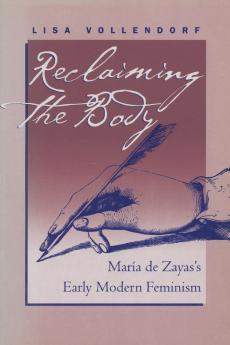
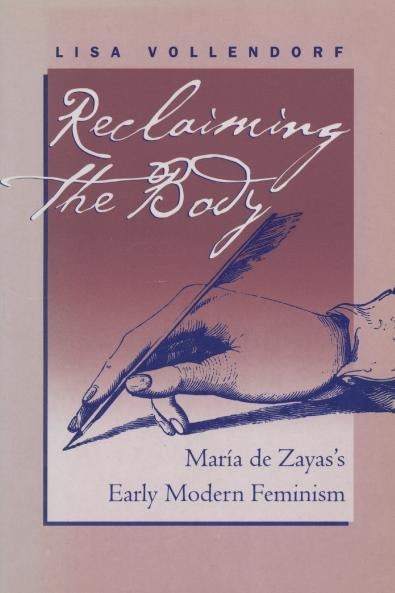
In a time when few women in Europe were educated and even fewer spoke out against the status quo María de Zayas (1590-?) published novellas filled with criticism about gender relations. Her best-selling <i>Novelas amorosas</i> (1637) and <i>Desengaños amorosos</i> (1647) explore the pleasures and more frequently the perils of sex and marriage. Condemned as lewd Zayas's work was excised from the literary canon by nineteenth-century scholars. But with the feminist revolution of the 1970s came a renewed interest in her fiction. Zayas's contemporary appeal is easily explained: through graphic images of violence against women and poignant examples of women's exclusion from social justice she speaks to important issues of our own times.<br/><br/>Lisa Vollendorf illuminates this compelling author using contemporary feminist theory to decipher the nuances of Zayas's complex ideologies. Revealing Zayas as a critical figure in European women's literary history Vollendorf delineates the strategies and impulses behind early modern feminism.

Piracy-free

Assured Quality

Secure Transactions

Fast Delivery

Sustainably Printed
Details
ISBN 13
9780807892749
Publication Date
-01-01-2001
Pages
-236
Weight
-326 grams
Dimensions
-152x229x13.63 mm
