

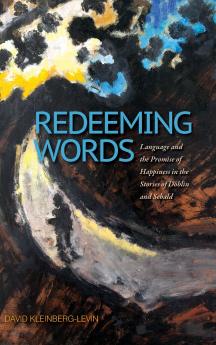
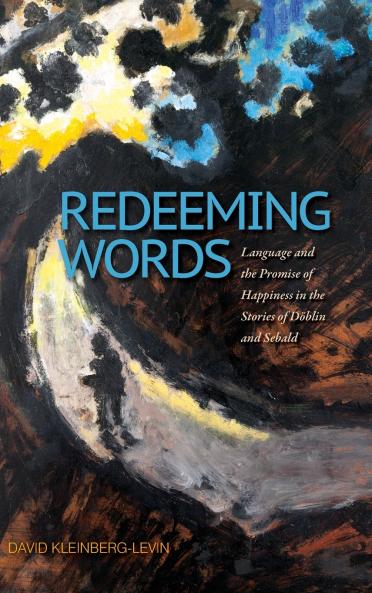
Language and the Promise of Happiness in the Stories of Döblin and Sebald
Eng


₹11113
₹14386
22.75% OFF
(All inclusive*)
Hardback
Delivery Options
Please enter pincode to check delivery time.
*COD & Shipping Charges may apply on certain items.
Review final details at checkout.
Looking to place a bulk order? SUBMIT DETAILS
Delivery Options
Please enter pincode to check delivery time.
*COD & Shipping Charges may apply on certain items.
Review final details at checkout.
About The Book
Description
Author
<p><b>Probing study of how literature can redeem the revelatory redemptive powers of language.</b></p><p>In this probing look at Alfred Döblin's 1929 novel <i>Berlin Alexanderplatz</i> and the stories of W. G. Sebald <i>Redeeming Words</i> offers a philosophical meditation on the power of language in literature. David Kleinberg-Levin draws on the critical theory of Benjamin and Adorno; the idealism and romanticism of Kant Hegel Hölderlin Novalis and Schelling; and the nineteenth- and twentieth-century thought of Nietzsche Heidegger and Derrida. He shows how Döblin and Sebald-writers with radically different styles working in different historical moments-have in common a struggle against forces of negativity and an aim to bring about in response a certain redemption of language. Kleinberg-Levin considers the fast-paced staccato and hard-cut sentences of Döblin and the ghostly languorous and melancholy prose fiction of Sebald to articulate how both writers use language in an attempt to recover and convey this utopian promise of happiness for life in a time of mourning.</p>

Piracy-free

Assured Quality

Secure Transactions

Fast Delivery

Sustainably Printed
Details
ISBN 13
9781438447810
Publication Date
-01-11-2013
Pages
-386
Weight
-610 grams
Dimensions
-152x229x25.4 mm
