

English


Hardback
₹15467
₹19832
22.01% OFF
(All inclusive*)
Delivery Options
Please enter pincode to check delivery time.
*COD & Shipping Charges may apply on certain items.
Review final details at checkout.
Looking to place a bulk order? SUBMIT DETAILS
Delivery Options
Please enter pincode to check delivery time.
*COD & Shipping Charges may apply on certain items.
Review final details at checkout.
About The Book
Description
Author(s)
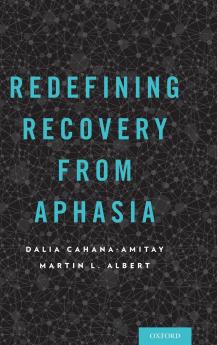
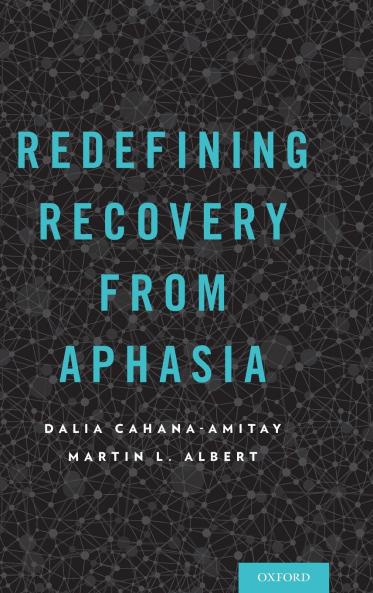
This book focuses on two fundamental aspects of brain-language relations: one concerns the neural organization of language in the healthy brain; the other challenges current approaches to treatment of aphasia and offers a new theory for recovery from aphasia. The essence of the book lies in the phrase neural multifunctionality: the constant and dynamic incorporation of non-linguistic functions into language models of the intact brain. The book makes the claim that language is a construction created as we use it and cannot be understood as being supported by neurally based linguistic networks only. Rather language emerges from the constant and dynamic interaction among neural networks subserving cognitive affective and praxic functions with neural networks subserving lexical retrieval (naming) sentence processing (comprehension) and discourse (communication conversation). In persons with stroke-induced aphasia neural networks for executive system function attention memory motor system function visual system function and emotion interact with neural networks for language to produce the aphasia profile and to influence recovery from aphasia. Consequently neural multifunctionality in aphasia explains individual differences in the lesion-deficit model and continued recovery over time redefining the concept of recovery from aphasia and offering new opportunities for treatment.<br>

Piracy-free

Assured Quality

Secure Transactions

Fast Delivery

Sustainably Printed
Details
ISBN 13
9780199811939
Publication Date
-04-02-2015
Pages
-292
Weight
-510 grams
Dimensions
-156x234x17.46 mm
