
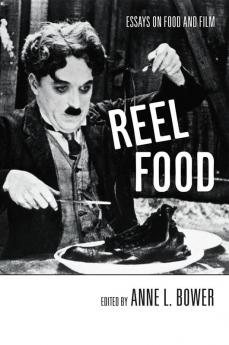

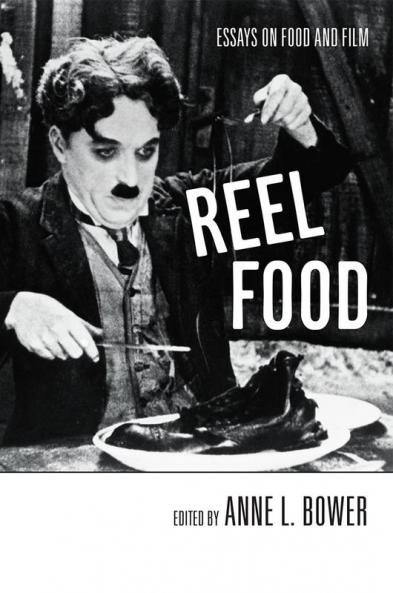
<p>Reel Food is the first book devoted to food as a vibrant and evocative element of film, featuring original essays by major food studies scholars, among them Carole Counihan and Michael Ashkenazi. This collection reads various films through their uses of food-from major food films like Babette's Feast and Big Night to less obvious choices including The Godfather trilogy and The Matrix . The contributors draw attention to the various ways in which food is employed to make meaning in film. In some cases, such as Soul Food and Tortilla Soup , for example, food is used to represent racial and ethnic identities. In other cases, such as Chocolat and Like Water for Chocolate , food plays a role in gender and sexual politics. And, of course, there is also discussion of the centrality of popcorn to the movie-going experience. <br>This book is a feast for scholars, foodies, and cinema buffs. It will be of major interest to anyone working in popular culture, film studies, and food studies, at both the undergraduate and graduate level.</p> <p>1. Watching Food: The Production of Food, Film, and Values, Anne L. Bower </p><p><strong>Section I: Cooking Up Cultural Values </strong></p><p>2. Feel Good Reel Food: A Taste of Cultural Kedgeree in Gurinder Chadha's <em>What's Cooking</em>?, Debnita Chakravarti </p><p>3. Food, Play, Business and the Image of Japan in Juzo's <em>Tampopo</em>, Michael Ashkenazi </p><p>4. <em>Il Timpano</em>- "To Eat Good Food is to be Close to God": The Italian-American<br>Reconciliation of Stanley Tucci's <em>Big Night</em>, Margaret Coyle </p><p>5.Cooking Mexicanness: Shaping National Identity in Alfonso Arau's <em>Como agua <br>para chocolate</em>,<em> </em>Miriam Lopez-Rodriguez </p><p>6. Chickens, Jams, and Kitchens: Modern Food and Malay Films of the 1950s and 1960s, Timothy P. Barnard </p><p>7. "I'll Have Whatever She's Having": Jews, Food, and Film, Nathan Abrams </p><p>8. Food as Representative of Ethnicity and Culture in George Tillman Jr.'s <em>Soul Food</em>, Maria Ripolli's <em>Tortilla Soup</em>, and Tim Reid's <em>Once Upon A Time When We Were Colored</em>, Robin Balthrope </p><p><strong>Section II: Focus on Women--the Body, the Spirit </strong></p><p>9. Gendering the Feast: Women, Spirituality, and Grace in Three Food Films, Margaret McFadden </p><p>10. Food, Sex, and Power at the Dining Room Table in Zhang Yimou's <em>Raise the Red Lantern</em>, Ellen J. Fried </p><p>11. Anorexia Envisioned: Mike Leigh's <em>Life is Sweet</em>, Chul-Soo Park's <em>301/302</em>, and Todd Haynes's <em>Superstar</em>, Gretchen Papazian </p><p>12. Production, Reproduction, Food, and Women in Herbert Biberman's <em>Salt of the Earth </em>and Lourdes Portillo and Nina Serrano's <em>After The Earthquake</em>, Carole Counihan </p><p>13. Images of Consumption in Jutta Bruckner's <em>Hunger Years</em>, Yogini Joglekar </p><p><strong>Section III: Making Movies, Making Meals </strong></p><p>14. Appetite for Destruction: Gangster Food and Genre Convention in Quentin<br>Tarantino's <em>Pulp Fiction</em>, Rebecca L. Epstein </p><p>15. "Leave the Gun; Take the Cannoli": Food and Family in the Modern American<br>Mafia Film, Marlisa Santos </p><p>16. All-Consuming Passions: Peter Greenaway's <em>The Cook, the Thief, His Wife and Her Lover</em>, Raymond Armstrong </p><p>17. Jean-Pierre Jeunet and Marc Caro's <em>Delicatessen</em>: An Ambiguous Memory, an Ambivalent Meal, Kyri Watson Claflin </p><p>18. Futuristic Foodways: The Metaphorical Meaning of Food in Science <br>Fiction Films, Laurel Forster </p><p>19. Supper, Slapstick, and Social Class: Dinner as Machine in the Silent Films<br>of Buster Keaton, Eric L. Reinholtz</p><p>20. Banquet and Beast: The Civilizing Role of Food in 1930s Horror Films, Blair Davis </p><p>21. Engorged with Desire: Hitchcock Films and the Gendered Politics of Eating, <br>David Greven</p><p>22. What About the Popcorn? Food and Film-Watching Experiences, James Lyons </p>