

English


₹3000
₹4413
32.02% OFF
(All inclusive*)
Paperback
Delivery Options
Please enter pincode to check delivery time.
*COD & Shipping Charges may apply on certain items.
Review final details at checkout.
Looking to place a bulk order? SUBMIT DETAILS
Delivery Options
Please enter pincode to check delivery time.
*COD & Shipping Charges may apply on certain items.
Review final details at checkout.
About The Book
Description
Author(s)
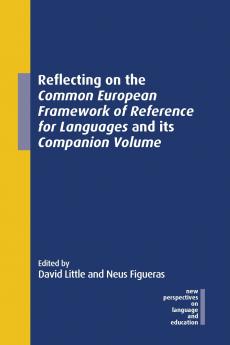
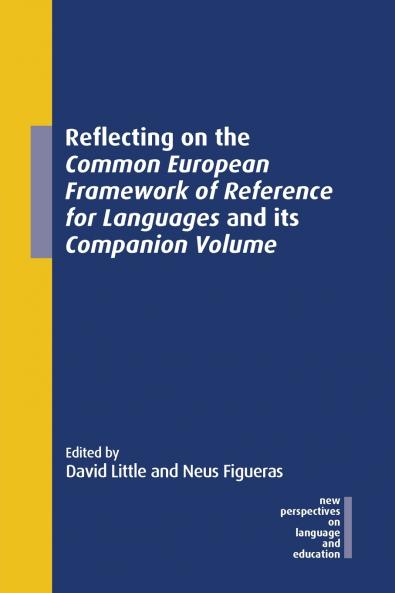
<p>The <em>Common European Framework of Reference for Languages </em>(CEFR) and its <em>Companion Volume</em> have established themselves as an indispensable reference point for all aspects of second and foreign language education. This book discusses the impact of the CEFR on curricula teaching/learning and assessment in a wide range of educational contexts identifies challenges posed by the <em>Companion Volume </em>and sheds light on areas that require further research and development. Particular attention is paid to three features of the two documents: their action-oriented approach their focus on plurilingualism and the potential of their scales and descriptors to support the alignment of curricula teaching/learning and assessment. The book suggests a way forward for future engagement with the CEFR taking account of new developments in applied linguistics and related disciplines.</p>

Piracy-free

Assured Quality

Secure Transactions

Fast Delivery

Sustainably Printed
Details
ISBN 13
9781800410183
Publication Date
-02-03-2022
Pages
-228
Weight
-331 grams
Dimensions
-156x234x12.21 mm
