

by
Jia Luo
English


Paperback
₹5363
(All inclusive*)
Delivery Options
Please enter pincode to check delivery time.
*COD & Shipping Charges may apply on certain items.
Review final details at checkout.
Looking to place a bulk order? SUBMIT DETAILS

Piracy-free

Assured Quality

Secure Transactions
About The Book
Description
Author
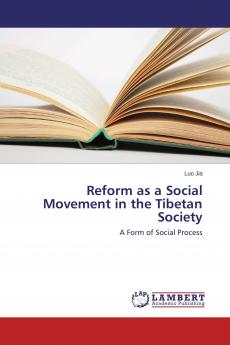
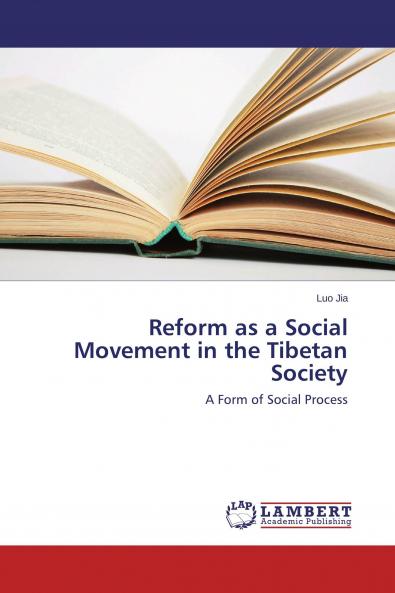
Reform as a social process is underresearched in the case of Tibetan society. This study addresses this gap using Social Movement Theory. This approach was applied by comparing recruitment and mobilization efforts of several key internal and external reform movements in 20th century Tibetan history. Findings include that internal reform failures can be explained by their narrow social and geographic basis and limited mass appeal. Moreover initial CPC reforms succeeded through recruitment and mobilization across Tibetan society and social groupings. Subsequent reforms failed due to decreased attention to recruitment and mass mobilization of Tibetans. A major implication of the study is that understanding social reform in today’s Tibetan society requires a SM Theory approach which currently is lacking among scholars of the Tibetan question and political representatives of both sides.
Piracy-free
Assured Quality
Secure Transactions
Delivery Options
Please enter pincode to check delivery time.
*COD & Shipping Charges may apply on certain items.
Review final details at checkout.
Details
ISBN 13
9783659256547
Publication Date
-16-02-2015
Pages
-92
Weight
-137 grams
Dimensions
-150x220x5.33 mm
