

English


Paperback
₹4097
(All inclusive*)
Delivery Options
Please enter pincode to check delivery time.
*COD & Shipping Charges may apply on certain items.
Review final details at checkout.
Looking to place a bulk order? SUBMIT DETAILS
Delivery Options
Please enter pincode to check delivery time.
*COD & Shipping Charges may apply on certain items.
Review final details at checkout.
About The Book
Description
Author
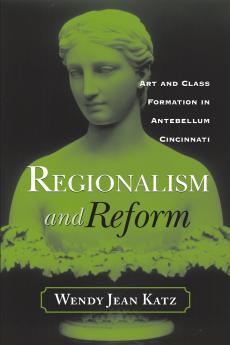
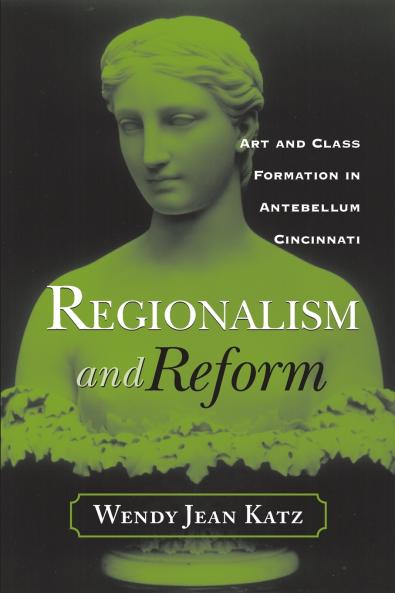
This book is exceptionally smart really one of the best books I've read in its interdisciplinary way. [. . .] I find it original thoughtful and useful. -Barbara Groseclose The Ohio State UniversityBefore the Civil War Cincinnati Ohio was considered the most important art center of what was then regarded as the U.S. West. In this book Wendy Jean Katz explores the role of artists and art associations in moral and social reform in antebellum Cincinnati. Its leaders claimed for it the status of the future geographic and economic center of the nation and supported art as part of their efforts to forge a regional vision of morals and manners attractive enough to persuade their adoption nationally.An interlocking array of men women and associations cooperated to attach middle-class status to the cultivation of proper feelings and behavior. Art helped spread these values and draw people to a new identity based on them rather than on wealth birth or profession. Artists who believed in a moral purpose for art found themselves and their work aligned with urban boosters' and reformers' projects for attracting and assimilating a steady stream of immigrants to their vision of a harmonious urban culture. By analyzing artists Lilly Martin Spencer Robert Duncanson and Hiram Powers within this local discourse on taste and reform their work emerges as participating in a process of class definition. At the same time Katz upsets the idea of national culture as a one-way street from New York to the provinces suggesting instead that the national was created in localities by artists and their patrons.<b>Wendy Jean Katz</b> is assistant professor of art and art history at the University of Nebraska-Lincoln.

Piracy-free

Assured Quality

Secure Transactions

Fast Delivery

Sustainably Printed
Details
ISBN 13
9780814253335
Publication Date
-17-09-2002
Pages
-286
Weight
-391 grams
Dimensions
-152x229x16.36 mm
