


English



₹3940
₹3953
0.33% OFF
(All inclusive*)
Paperback
Delivery Options
Please enter pincode to check delivery time.
*COD & Shipping Charges may apply on certain items.
Review final details at checkout.
Looking to place a bulk order? SUBMIT DETAILS
Delivery Options
Please enter pincode to check delivery time.
*COD & Shipping Charges may apply on certain items.
Review final details at checkout.
About The Book
Description
Author
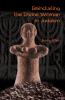
<p>Goddesses in ancient religions were particularly significant for women&#39;s physical social and spiritual well-being. Yet the Divine Woman was discarded by the monotheistic religions. Arguing her importance for women the author proposes returning the Divine Woman to Judaism.<br /><br />Textual archeological and historical analysis reveal how the Canaanite Great Goddess Asherah played a major role as Jahweh&#39;s consort in the religion of biblical Judah and Israel. The author shows how this goddess has not entirely disappeared from modern Judaism - her analysis of the expulsion from the Garden of Eden and the story of Tamar and Judah reveals many traces of Asherah&#39;s worship and myths still in the Bible. The development of the menorah and the kabbalistic Tree of Life from Asherah&#39;s religious symbolism further illustrate the goddess&#39; profound effect on Judaism.<br /><br />These findings are of great relevance for present-day feminist Judaism. Reintroducing the Divine Woman to Judaism may stimulate new ways of approaching biblical texts religious practice and yearly festivals - ways that preserve their connection with Jewish tradition but also empower women.</p>

Piracy-free

Assured Quality

Secure Transactions

Fast Delivery

Sustainably Printed
Details
ISBN 13
9781581127638
Publication Date
-01-05-2000
Pages
-288
Weight
-342 grams
Dimensions
-140x216x16.47 mm
