

English


Paperback
₹4709
₹5199
9.42% OFF
(All inclusive*)
Delivery Options
Please enter pincode to check delivery time.
*COD & Shipping Charges may apply on certain items.
Review final details at checkout.
Looking to place a bulk order? SUBMIT DETAILS
Delivery Options
Please enter pincode to check delivery time.
*COD & Shipping Charges may apply on certain items.
Review final details at checkout.
About The Book
Description
Author
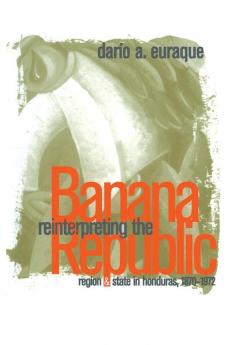
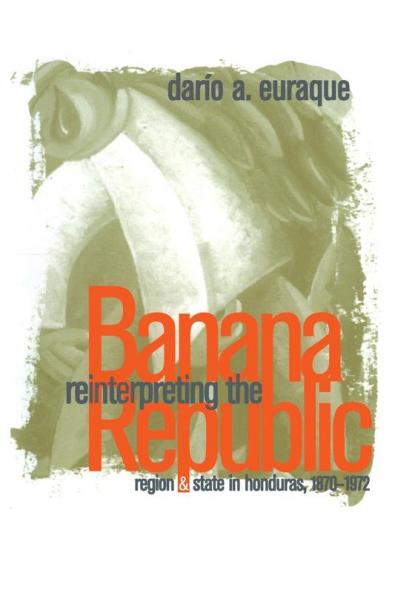
In this new analysis of Honduran social and political development Darío Euraque explains why Honduras escaped the pattern of revolution and civil wars suffered by its neighbors Guatemala El Salvador and Nicaragua. Within this comparative framework he challenges the traditional Banana Republic 'theory' and its assumption that multinational corporations completely controlled state formation in Central America. Instead he demonstrates how local society in Honduras’s North Coast banana-exporting region influenced national political development. According to Euraque the reformism of the 1970s which prevented social and political polarization in the 1980s originated in the local politics of San Pedro Sula and other cities along the North Coast. Moreover Euraque shows that by the 1960s the banana-growing areas had become bastions of liberalism led by local capitalists and organized workers. This regional political culture directly influenced events at the national level argues Euraque. Specifically the military coup of 1972 drew its ideology and civilian leaders from the North Coast and as a result the new regime was able to successfully channel popular unrest into state-sponsored reform projects. Based on long-ignored sources in Honduran and American archives and on interviews the book signals a major reinterpretation of modern Honduran history.

Piracy-free

Assured Quality

Secure Transactions

Fast Delivery

Sustainably Printed
Details
ISBN 13
9780807846049
Publication Date
-20-01-1997
Pages
-272
Weight
-391 grams
Dimensions
-156x234x15.6 mm
