


English


Paperback
₹3772
₹4860
22.39% OFF
(All inclusive*)
Delivery Options
Please enter pincode to check delivery time.
*COD & Shipping Charges may apply on certain items.
Review final details at checkout.
Looking to place a bulk order? SUBMIT DETAILS
Delivery Options
Please enter pincode to check delivery time.
*COD & Shipping Charges may apply on certain items.
Review final details at checkout.
About The Book
Description
Author
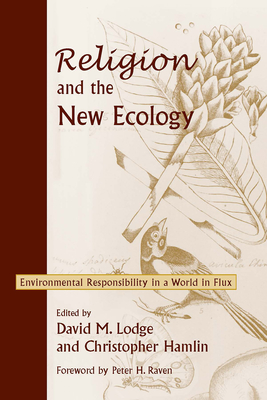
<p>For many years ecologists and the environmentalists who looked to ecology for authority depicted a dichotomy between a pristine stable nature and disruptive human activity. Most contemporary ecologists however conceive of nature as undergoing continual change and find that flux of nature is a more accurate and fruitful metaphor than balance of nature.</p><p>The contributors to this volume address how this new paradigm fits into the broader history of ecological science and the cultural history of the West and in particular how environmental ethics and ecotheology should respond to it. Their discussions ask us to reconsider the intellectual foundations on which theories of human responsibility to nature are built. The provisional answer that develops throughout the book is to reintegrate scientific understanding of nature and human values two realms of thought severed by intellectual and cultural forces during the last two centuries. Religious reflection and practice point the way toward a new humility in making the tough decisions and trade-offs that will always characterize environmental management.</p><p>Timely and challenging the essays suggest avenues toward a new framework for interdisciplinary conversation among theologians philosophers historians and environmental ethicists.</p><p>Contributors: David M. Lodge Christopher Hamlin Elspeth Whitney Mark Stoll Eugene Cittadino Kyle S. Van Houtan Stuart L. Pimm Gary E. Belovsky Peter S. White Patricia A. Fleming John F. Haught and Larry Rasmussen.</p>

Piracy-free

Assured Quality

Secure Transactions

Fast Delivery

Sustainably Printed
Details
ISBN 13
9780268034047
Publication Date
-30-09-2006
Pages
-340
Weight
-461 grams
Dimensions
-152x229x19.29 mm
