


English



Paperback
₹3348
(All inclusive*)
Delivery Options
Please enter pincode to check delivery time.
*COD & Shipping Charges may apply on certain items.
Review final details at checkout.
Looking to place a bulk order? SUBMIT DETAILS
Delivery Options
Please enter pincode to check delivery time.
*COD & Shipping Charges may apply on certain items.
Review final details at checkout.
About The Book
Description
Author
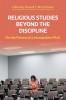
<p class=ql-align-justify><span style=background-color: rgba(255 255 255 1); color: rgba(51 51 51 1)>Given the continued challenges that face the higher education job market in the humanities in North America this multi-authored volume offers a critical assessment of the current situation of humanities doctoral students early career scholars and those now working in doctoral degree-granting institutions in the U.S. along with concrete proposals for a way forward. In turn these proposals are the starting point for constructive reflections by faculty now working in leading American doctoral programs. The aim of this volume is to initiate a conversation among future current and recent graduate students as well as those who train them concerning the content process and purpose of acquiring advanced research skills in the early twenty-first century university. </span></p><p class=ql-align-justify><br></p><p class=ql-align-justify><span style=background-color: rgba(255 255 255 1); color: rgba(51 51 51 1)>This is a time when a decreasing few who earn these degrees will ever attain work as tenured faculty members while an ever-increasing number will instead end up either in perpetually insecure contingent faculty positions or for a variety of reasons seek careers outside academia where the explicit relevance of their training is currently uncertain and uncharted. This volume asks what the role of these students' faculty supervisors degree programs and departments ought to be in helping them-and thereby helping these doctoral programs themselves along with their affiliated faculty-to excel in an economic and sometimes political environment that is often not kind to scholarship in the humanities.</span></p>

Piracy-free

Assured Quality

Secure Transactions

Fast Delivery

Sustainably Printed
Details
ISBN 13
9781800505445
Publication Date
-16-10-2024
Pages
-148
Weight
-221 grams
Dimensions
-156x234x8.06 mm
