

English


Hardback
₹9863
₹11468
14% OFF
(All inclusive*)
Delivery Options
Please enter pincode to check delivery time.
*COD & Shipping Charges may apply on certain items.
Review final details at checkout.
Looking to place a bulk order? SUBMIT DETAILS
Delivery Options
Please enter pincode to check delivery time.
*COD & Shipping Charges may apply on certain items.
Review final details at checkout.
About The Book
Description
Author
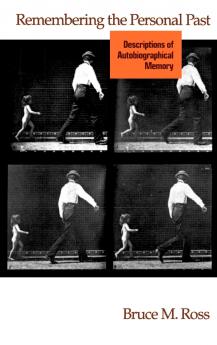
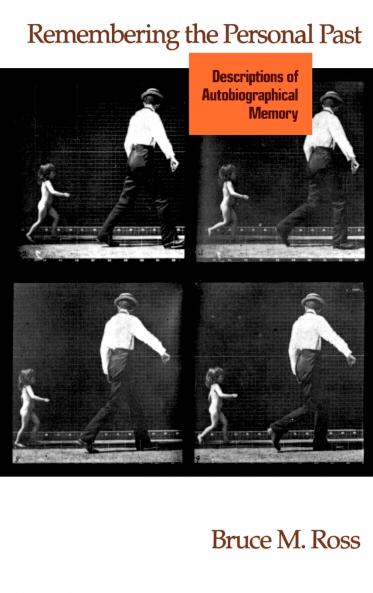
In this resonant scholarly work Bruce Ross presents an encompassing theoretical framework and overview of autobiographical memory. Drawing on a wide range of ideasfrom academic psychology the social sciences psychoanalysis and the humanistic disciplines the author presents a stimulating and original perspective on this increasingly important topic. Ross' description encompasses the full range of subjective responsiveness to personal memories both with and without awareness including real-world social context and examples that can be compared with one's own experience; critical assessment of psychoanalytic memory concepts with a clear distinction drawn between Freud's ideas and those of his later followers; childhood memories dealt with from dual standpoints of initial origin and adult retrospection; explanations of problems and dilemmas in philosophy and the human sciences that determine both what is to be counted as a memory experience and how memories can be validated; and the phenomena of individual memories compared with characteristics of group-determined memories and socially structured memories that persist across generations.

Piracy-free

Assured Quality

Secure Transactions

Fast Delivery

Sustainably Printed
Details
ISBN 13
9780195068948
Publication Date
-02-01-1992
Pages
-260
Weight
-466 grams
Dimensions
-156x234x15.88 mm
